Nearly half of all water withdrawn in the U.S. is used to cool thermoelectric power plants, ensuring they operate safely and efficiently: On average a kilowatt-hour of electricity requires 25 gallons of…
The Nordic Eco-label is over 27 years old, making it one of the world’s oldest eco-labels. Shaped like a swan the Nordic Ecolabel is found on products throughout the Nordic region: Denmark,…
Under the Europe 2020 Strategy for smart, sustainable and inclusive growth, the Flagship Initiative for achieving a resource-efficient Europe aims to create a framework for policies that support Europe’s transition towards a…
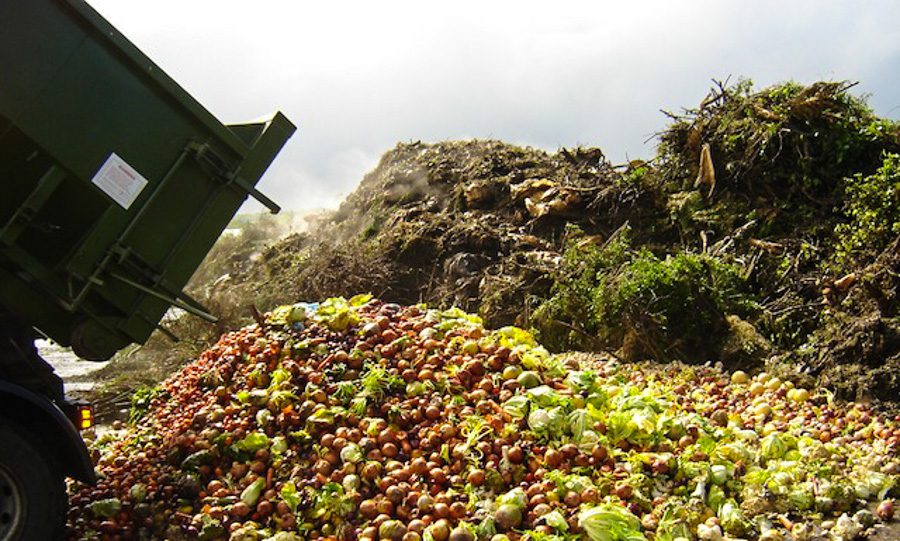
The French National Assembly has passed legislation banning supermarkets from throwing away or destroying unsold food. Instead, supermarkets must donate it to charity or use it as animal feed or compost. This…
Amsterdam has launched its Sustainability Agenda for renewable energy, clean air, a circular economy and a climate-resilient city. Amsterdam’s citizens and businesses spend approximately EUR 1.8 billion on electricity bills annually. The…
In Europe there is a move towards a ‘circular economy’ where existing materials and products are reused, repaired, refurbished and recycled. In other words what was once regarded as waste can be…
Since the industrial revolution the total amount of waste generated has constantly grown as economic growth has been based on a ‘take-make-consume and dispose’ model.