
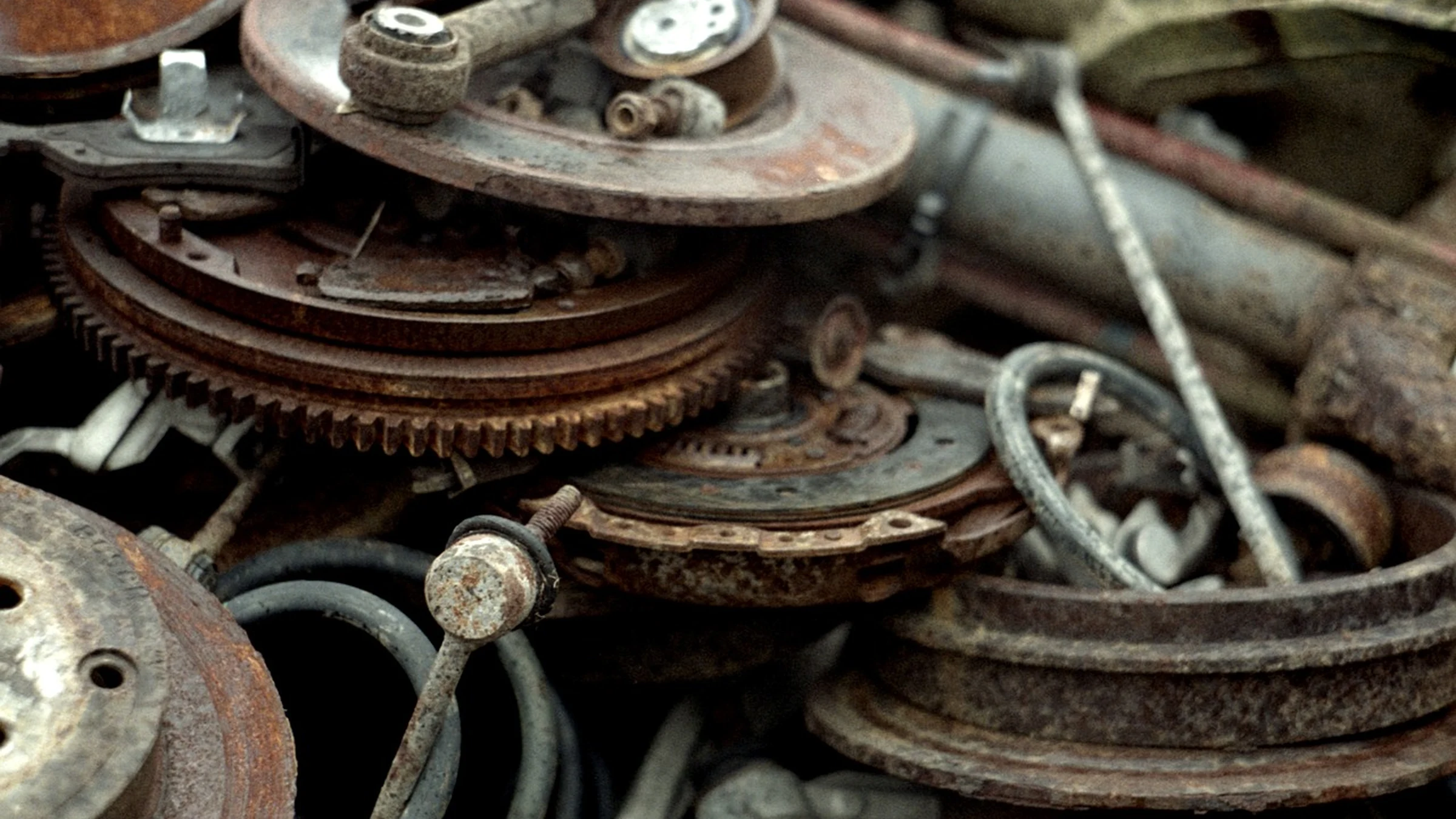
Brazil has published rules that let manufacturers and importers use credits from retired cars and light commercial vehicles to lower taxes on eligible new models. Accredited recyclers must show what they recovered and how they handled hazardous materials.
A Brazilian manufacturer can now link the tax treatment of an eligible new model to the handling of a vehicle already taken off the road. The Ministry of Development, Industry, Commerce and Services published the detailed vehicle recycling rules on November 9 under the Green Mobility and Innovation program, known as Mover. The ordinance joins two businesses that work at opposite ends of a vehicle’s life. Accredited dismantlers and recyclers generate the credits by proving they have processed retired vehicles. Manufacturers and importers can acquire those credits and apply the incentive to eligible models.
What the Recycler Has to Show
Dismantlers and recyclers apply to the ministry for accreditation. Their handling of an old vehicle includes removing fuel, oils and batteries for appropriate treatment. The ministry also requires traceable labels on parts that can be sold again. Each code links a part to its original vehicle and to the company responsible for dismantling it. A buyer can therefore check where a reused part came from, and the regulator can connect a circulating part to the business that processed it. Both checks matter when the financial value of a credit depends on treatment taking place outside the manufacturer’s own premises.
Where the Credit Produces a Tax Benefit
The manufacturer or importer must first register the models and versions it intends to put forward. The ministry says eligible businesses can obtain credits directly from accredited dismantlers and recyclers with which they have partnerships. The credits can reduce the rate of the industrial products tax, known as IPI, or the selective tax where applicable. This gives a recycler a buyer for verified treatment and gives the buyer a reason to ask for treatment records. The ministry describes a benefit tied to eligible models, so the commercial value of a recycler’s credit will also depend on demand from manufacturers and importers that can apply it.
What the Weight Target Counts
The ministry’s schedule starts with recovery of at least 80 percent of the processed vehicle’s weight in 2027 and 2028. It rises in stages to 95 percent from 2033. Reuse, material recycling and energy recovery can all contribute to the reported result. A used part fitted to another vehicle stays in service, while metal melted for a new product re-enters production as material. Energy recovery takes a different route. The headline rate combines those destinations, so changes in the mix will help explain what the scheme is achieving beyond the total weight it diverts. The label requirement helps answer a related question about individual parts that a weight figure cannot answer. It gives a used-parts buyer a way to check provenance even when the vehicle itself has already been broken up.
What Would Show the Incentive Is Working
The first evidence will be in accreditation, verified treatment and the records used to recognize credits. Compliance figures can then show how much vehicle mass moved into each recovery route. Those details would allow regulators to judge whether the market for credits is helping expand formal treatment, including safe handling of substances that are a small part of the vehicle’s weight but can contaminate soil and water. The same records can serve a second purpose for buyers of used parts by making origin easier to check.
Take-Out
The tax incentive gives manufacturers a reason to buy documented recycling credits. Its value depends on whether recyclers can show where the parts and materials went.
Questions and answers
What readers should know
- Which retired vehicles does the ministry describe?
- Passenger cars and light commercial vehicles taken out of circulation.
- Who generates the credits?
- Accredited dismantlers and recyclers that prove they processed vehicles.
- Who can apply the credits?
- Manufacturers and importers with eligible models and versions registered under the program.
- How is a part for resale traced?
- Its label identifies the source vehicle and the company that dismantled it.
- Which routes count toward recovery?
- Reuse, recycling and energy recovery all count toward the ministry’s weight target.
Stay in the loop
Keep Mark and Focus in view
Hear about future publications, announcements, and relevant updates from Mark and Focus.