
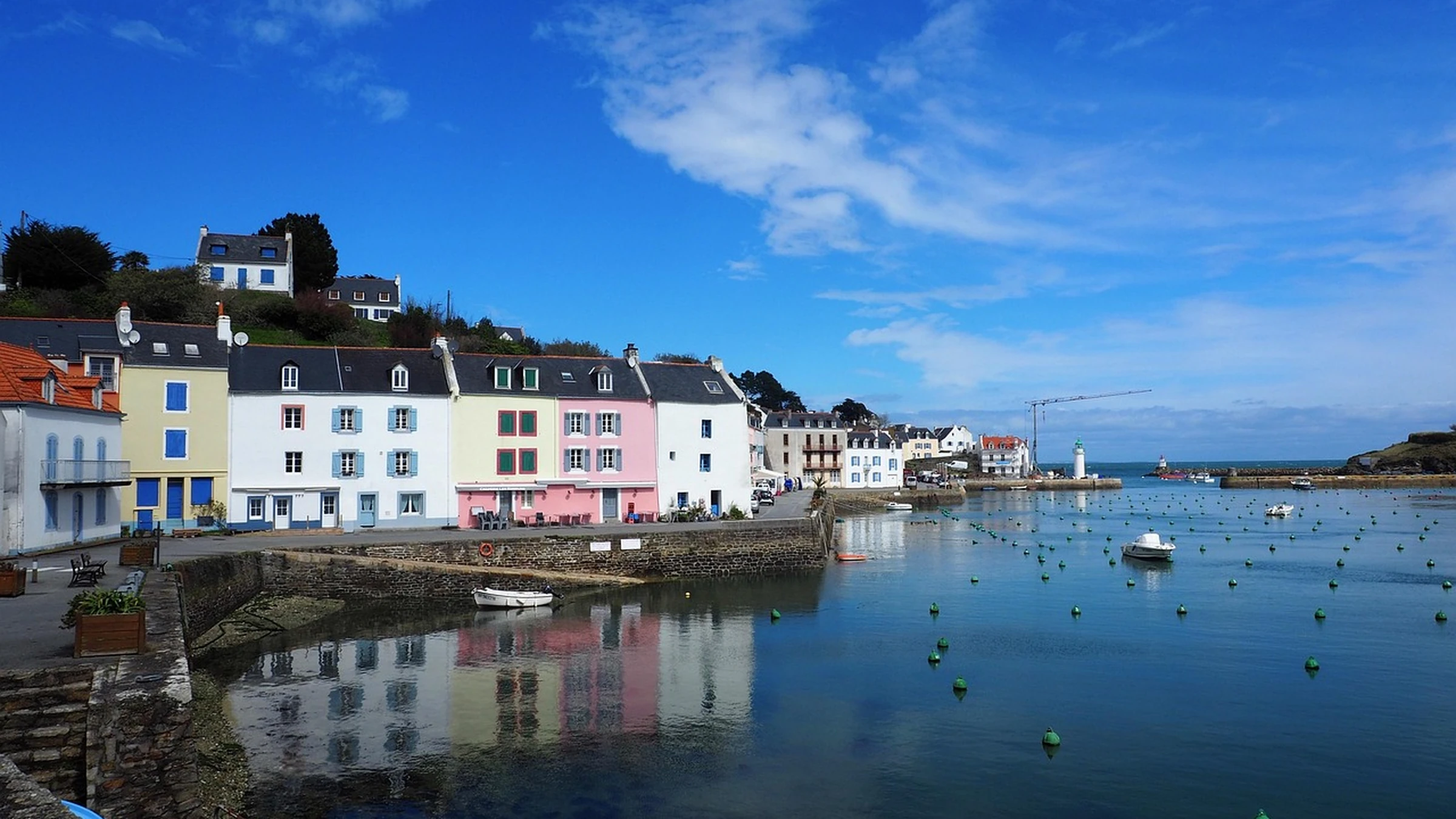
Morbihan’s prefecture has put Belle-Île-en-Mer under its highest drought restrictions. The decision aims to slow the drawdown of historically low drinking water reserves while the island waits to see how much winter rain it receives.
Belle-Île-en-Mer now faces the same drought crisis tier as mainland Morbihan, though the prefecture reached that decision for different reasons. On the mainland, weak river flows and low groundwater levels followed a deficit that persisted through September and October. On Belle-Île, the immediate concern was the amount of drinking water left in reserve. The Belle-Île drought has made conserving that reserve the priority.
What the Crisis Tier Changes
The prefecture raised the island to the highest tier to slow the rate at which stored water is used. At that tier, irrigation outside specified major crops requires a prefectural decision that takes account of the crop and location. Other uses, including watering sports grounds and golf courses, are subject to restrictions and defined exceptions. Which uses can continue depends on the applicable order and the location of the withdrawal.
The restrictions matter because some demand can be postponed. Outdoor watering, for example, uses water immediately for a purpose that can sometimes wait or operate under tighter conditions. Reducing withdrawals in those categories keeps more water in reserve for essential supply. The prefecture’s November update reported the decision and the reason for it. The amount of water saved will depend on actual demand after the restrictions take effect.
Why the Islands Are on Different Tiers
Groix, Hoedic and Houat remained at the enhanced alert tier. The different decisions reflect the conditions the prefecture observed across its management zones. Recent rain was uneven across Morbihan, and the department reported little change in its hydrological situation since the October 23 water resource committee meeting.
For Belle-Île, winter rain is a potential source of replenishment. How much it contributes to reserves will become apparent only as rain falls and storage responds. Until then, the restrictions address the part of the water balance that local authorities can influence immediately, which is the rate of drawdown.
Take-Out
For an island drawing down scarce reserves, the relevant trigger is how much water remains and how reliably it can be replenished. Recent rain elsewhere in the department offers little assurance.
Questions and answers
What readers should know
- Which island moved to crisis status?
- Belle-Île-en-Mer, in the French department of Morbihan.
- What drove the change?
- Historically low drinking water reserves and uncertainty about replenishment during winter.
- Did neighboring islands move to the same tier?
- Groix, Hoedic and Houat remained at enhanced alert.
- What does the mainland decision cover?
- The prefecture maintained crisis status across its mainland management zones.
- Where can users check which rules apply?
- The prefecture directs users to VigiEau for location-specific restrictions.
Stay in the loop
Keep Mark and Focus in view
Hear about future publications, announcements, and relevant updates from Mark and Focus.