
Mark and Focus analysis
Building Climate-Resilient Water Infrastructure in Fort Lauderdale
Read the analysis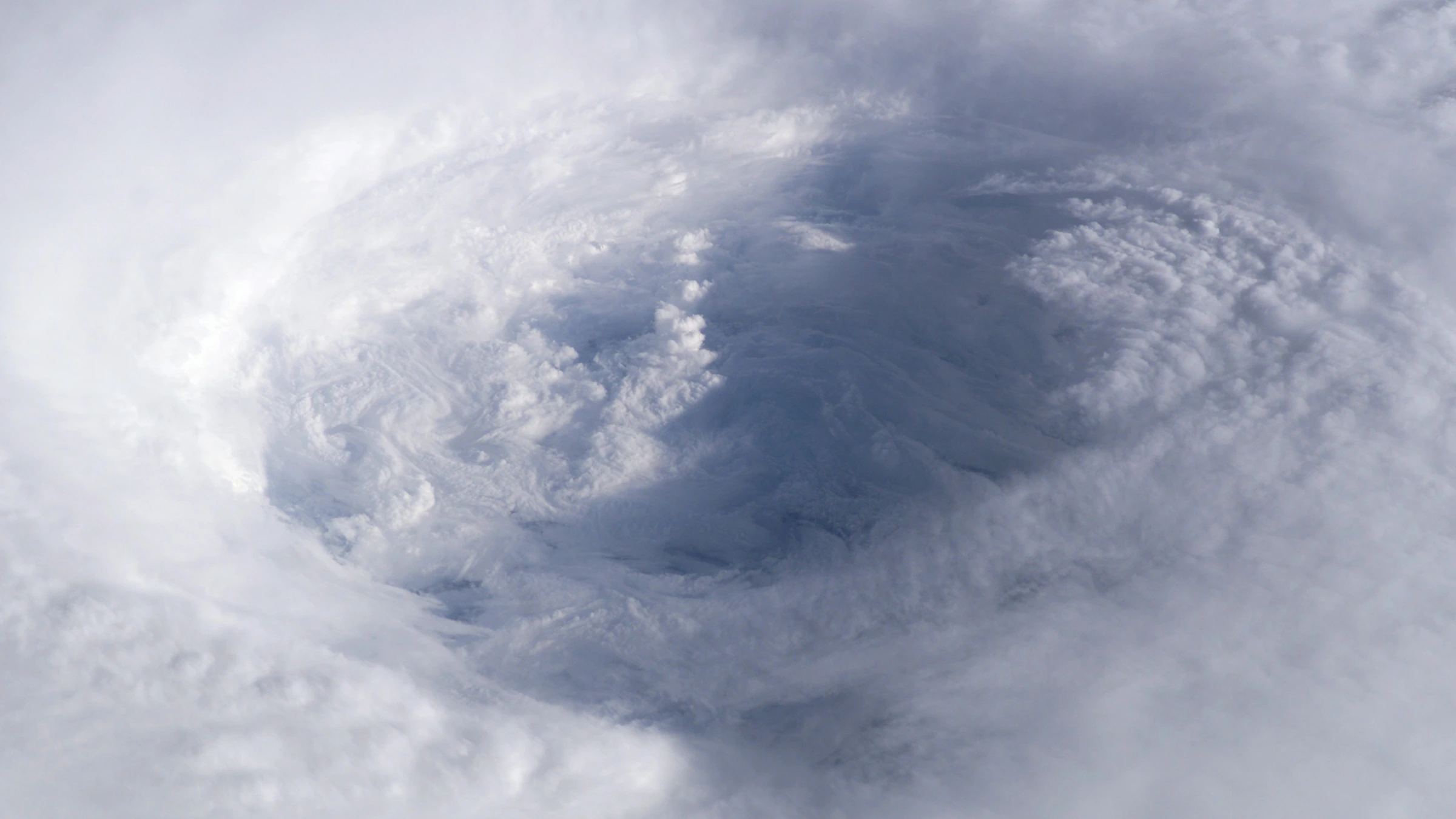
Fort Lauderdale’s Prospect Lake Clean Water Center is designed to withstand Category 5 hurricane-force winds. The city is transferring treatment to the new plant in stages while converting Fiveash into a storage and distribution center.
A drinking water plant has to keep working through the conditions most likely to shut it down. In Fort Lauderdale, that means designing for hurricane winds and keeping water flowing to customers while a new plant takes over treatment.
Design for the Storm and Its Aftermath
Start with the service a utility needs to maintain during a storm. A roof that can withstand severe winds protects the equipment inside. Keeping water moving also depends on power for pumps, working controls, and a route into the distribution network. A plant can survive a storm intact and still be unable to serve customers if one of those connections fails. Looking at the entire route from treatment to tap helps utilities decide where stronger structures, backup equipment, or stored water will make the most difference.
Keep Water Flowing While Treatment Changes
Replacing a plant means changing where water is treated while customers are still using it. A staged handover gives operators time to check how treated water moves through the existing network before the old plant stops treating water. Keeping an existing site for storage and distribution can preserve established routes into the network. Storage can also cover short differences between what the new plant produces and what customers draw, as long as pumps and connections remain available.
Case Study: Prospect Lake Replaces Fort Lauderdale’s Main Treatment Plant
Fort Lauderdale opened the Prospect Lake Clean Water Center on October 15, 2026 (City of Fort Lauderdale, October 15, 2026). The new facility is taking over primary treatment from the nearly 70-year-old Fiveash Water Treatment Plant and serves Fort Lauderdale and surrounding communities. The city designed the new plant to withstand winds associated with a Category 5 hurricane. The project and related infrastructure improvements cost about $666 million.
Prospect Lake is designed to treat up to 50 million gallons of drinking water a day. Nanofiltration uses pressure to push water through membranes that retain some dissolved substances. Ion exchange uses a resin to replace selected dissolved ions with others. The combination gives the city more options for treating water as standards and the contaminants it needs to address change.
The city began introducing treated water from Prospect Lake into its network in September 2026. Water from the new plant goes to Fiveash, which is shifting from treatment to storage and distribution. That division lets Fort Lauderdale replace the vulnerable treatment facility while keeping an existing route for getting water to customers. The City of Fort Lauderdale is delivering the project with IDE Technologies, Ridgewood Infrastructure, and Kiewit Water Facilities Florida Co.
Take-Out
Design climate resilience around the service customers need, from the treatment plant to the tap.
Questions and answers
What readers should know
- What climate hazard shaped the new plant’s design?
- The new plant was engineered to withstand winds associated with a Category 5 hurricane.
- What will happen to the old Fiveash plant?
- Fiveash is shifting from treating drinking water to storing it and sending it into the distribution network.
- Why bring the replacement plant online in stages?
- A staged handover gives operators time to check how water from the new plant moves through the existing network before the old plant stops treating water.
Stay in the loop
Keep Mark and Focus in view
Hear about future publications, announcements, and relevant updates from Mark and Focus.