
Mark and Focus analysis
How the Cuijk–Ravenstein Dike Moves from Approval to Construction
Read the analysis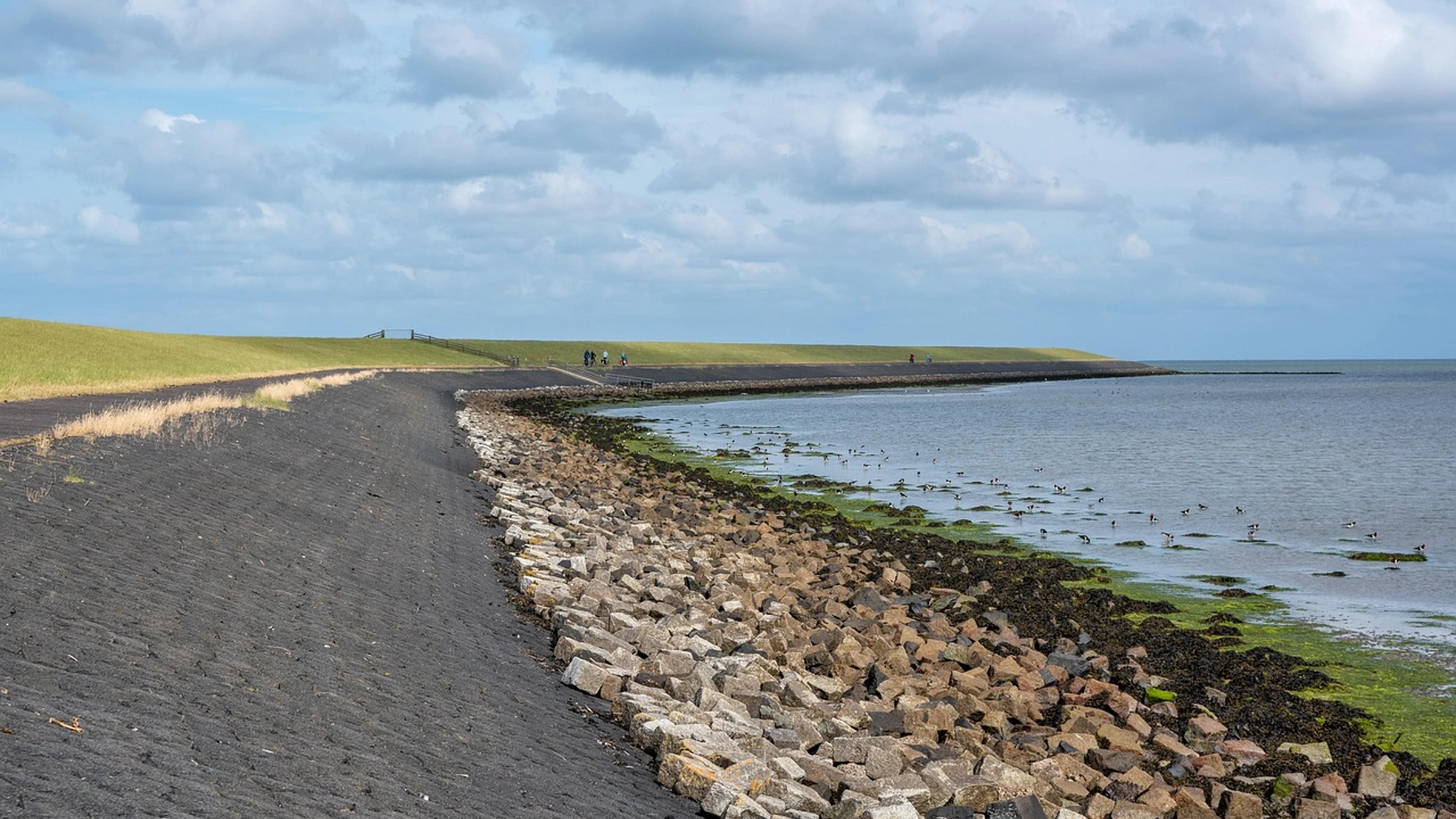
A Dutch water board has published the final decision for strengthening 21 kilometers of the Maas dike between Cuijk and Ravenstein. The decision and associated permits show how a flood-safety requirement becomes a design and construction program.
Waterschap Aa en Maas plans to strengthen a 21-kilometer stretch of primary flood defense between the Katwijk area and the A50 near Ravenstein. That stretch is the Cuijk–Ravenstein dike. Its November 5 notice puts the final project decision on public display alongside the permits needed to carry it out. A safety assessment had found that the wider Maasdijk in the board’s area fell short of current standards. The Cuijk–Ravenstein section faces a high standard because a breach would have serious consequences. The next challenge is to translate that standard into work that can be built on a particular bank of a particular river.
The project decision sets the footprint
The water board’s project decision describes the area, proposed measures, effects on the surroundings and ways to limit those effects. North Brabant’s provincial executive approved it after considering the environmental assessment and whether the project struck an appropriate balance among the interests involved. That approval matters to a designer because strengthening a dike can mean occupying more space on one side, changing access, or working close to homes, roads and other structures. The project decision records how the scheme intends to fit into those surroundings.
The Dutch national flood protection program includes the project, but the practical choices are made at the scale of individual stretches of dike. A setback or access arrangement that works on one stretch can run into different constraints farther along. Drawing those limits early gives the construction team room to refine methods within the scheme that was assessed.
Execution needs several permits
Separate permits cover particular activities within the project. The published list includes construction permissions in Oss, Maashorst and Land van Cuijk, a heritage-related activity, work affecting national waters, and excavation. Each permission addresses a different question. A dike design can satisfy the flood standard and still need an excavation method or access arrangement that meets a separate condition.
North Brabant coordinated the preparation of these decisions. Draft decisions and the environmental assessment were open to comments, and the provincial notice records 42 submissions across the procedure. Coordinating the decisions allows participants to see how the individual activities fit together and the delivery team to resolve interactions before it fixes its construction sequence. The public notices specify when the documents are available and when appeals can be lodged. The approval notice gives November 6 to December 17 for appeals, and the water board lists December 4 as the project decision’s effective date. An appeal does not automatically suspend the decision, although interim relief can be sought.
Detailed design prepares the work sequence
Aa en Maas says the coming year will focus on detailed construction design with contractor Dijkgenoten. It plans further meetings in spring 2027, restoration work at the mouth of the Raam toward the end of 2027, and dike works beginning in 2028. These are planned milestones. The design stage is where engineers have to translate approved measures into drawings, methods, and a sequence crews can use. A constraint on access or excavation can determine where equipment can enter, which work fronts can operate together, and how much of a stretch can be opened at once.
That sequence is part of delivering the flood defense. When a contractor changes the order of works, the design team needs to know what that does to temporary access, river-side activity, and any requirements that apply during construction. The published project decision provides a common reference for those decisions. Progress will become visible when the approved scheme appears as specific work packages with methods and dates that respect the conditions attached to the site.
Take-Out
A flood defense becomes buildable when the design satisfies the safety standard, fits the permitted footprint, and gives the contractor workable access. The Dutch approvals make those requirements visible before construction starts.
Questions and answers
What readers should know
- Where is the dike section?
- It runs for about 21 kilometers from the Katwijk area to the A50 near Ravenstein in North Brabant.
- Why is the project needed?
- The safety assessment found that the dike did not meet the applicable water-safety standard. A breach on this section would have serious consequences.
- Who adopted and approved the decision?
- Waterschap Aa en Maas adopted the decision and the provincial executive of North Brabant approved it.
- Why are there separate execution permits?
- The works include separately regulated activities such as building, excavation, work near national waters, and an activity affecting a protected monument.
- When does the water board plan to start dike works?
- It plans to start the dike works in 2028 after developing the detailed design and starting work at the mouth of the Raam.
Stay in the loop
Keep Mark and Focus in view
Hear about future publications, announcements, and relevant updates from Mark and Focus.