
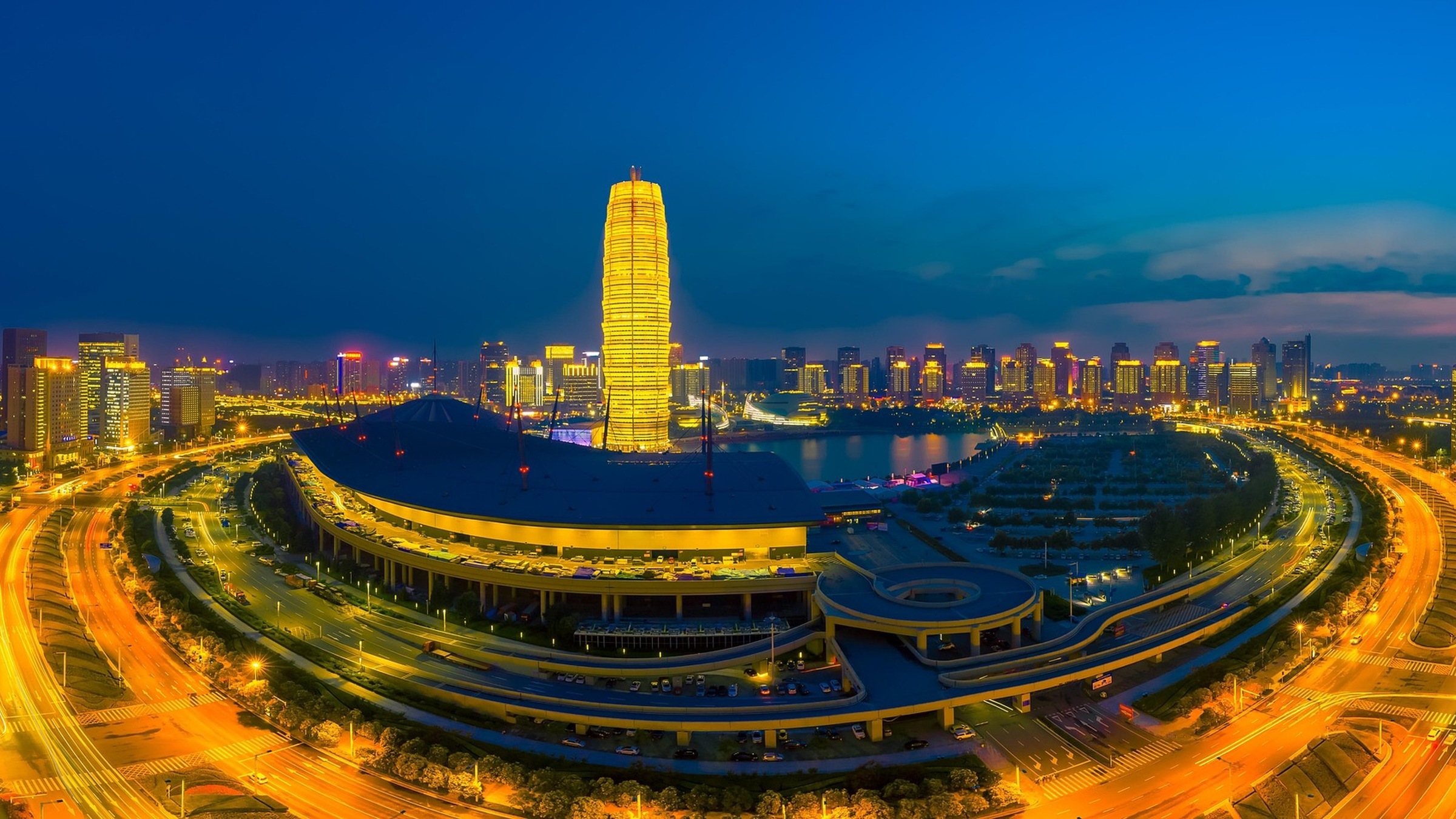
Zhengzhou has opened public review of nine proposed urban renewal registry entries, including two drainage projects. The notice identifies delivery bodies and engineering scope, giving residents a defined opportunity to challenge proposals before treating registry admission as construction progress.
Zhengzhou’s urban construction bureau published nine proposed additions to its urban renewal project registry on October 8, following expert review in September. The public notice includes two drainage interventions and an objection period ending October 13. This is a proposal-review milestone, rather than evidence that those works have been built.
The Zhengzhou drainage entries describe more than a general resilience aspiration. They connect existing pipe blockage and poor discharge routes with named engineering interventions, making the intended response available for public scrutiny.
Pipes and Pumping Address Different Constraints
On Hanghai East Road, the proposed ¥674 million project combines cleaning and reuse of existing pipes with 34,675 meters of new drainage conduits. It also includes a pumping station designed for 21 cubic meters per second. The economic development zone’s comprehensive administrative enforcement bureau is named as implementer.
Cleaning restores usable space within assets already present. Additional conduits and pumping provide a different response to the stated capacity and discharge problems. Their inclusion in one proposal makes it possible to ask where existing infrastructure can be recovered and where a larger intervention is justified, without assuming that every drainage problem requires wholesale replacement.
A Defined Notice Before Delivery
The second drainage entry concerns the Zhengzhou–Kaifeng logistics corridor in Zhongmu, with proposed investment of about ¥98 million. It includes new pipes, cleaning of existing networks and channel dredging. The county transport development center is responsible for implementation. The engineering scope links protection of a transport corridor with drainage work beyond the road surface.
Residents and affected organizations can use the notice to test whether the named sections correspond to local problems and whether the proposed measures adequately address them. That opportunity is more useful when objections refer to specific locations or discharge constraints rather than only supporting or opposing urban renewal in general.
The publication records expert assessment and proposed registry inclusion. It supplies no construction-completion result or verified reduction in flooding. Its immediate contribution is a more inspectable project pipeline: visible designs, stated problems, named bodies and a finite public-review window before later delivery claims can be assessed.
Take-Out
The notice makes proposed drainage works specific enough to scrutinize. Its value is the visible connection between existing drainage problems, designed interventions and named implementers; funding, procurement and operating performance remain later questions.
Questions and answers
What readers should know
- What is being reviewed?
- Nine proposed urban renewal registry entries, including two drainage projects.
- When does the objection window end?
- The notice gives a public-review period from October 8 through October 13, 2026.
- What is proposed for Hanghai East Road?
- Existing-pipe cleaning and reuse, 34,675 meters of new conduits and a 21-cubic-meter-per-second pumping station.
- What does the logistics-corridor entry include?
- New drainage pipes, network cleaning and channel dredging under the Zhongmu transport development center.
- Does registry review prove construction has begun?
- No. The notice establishes proposed inclusion and public review, rather than completed construction or measured flood reduction.
Stay in the loop
Keep Mark and Focus in view
Hear about future publications, announcements, and relevant updates from Mark and Focus.