
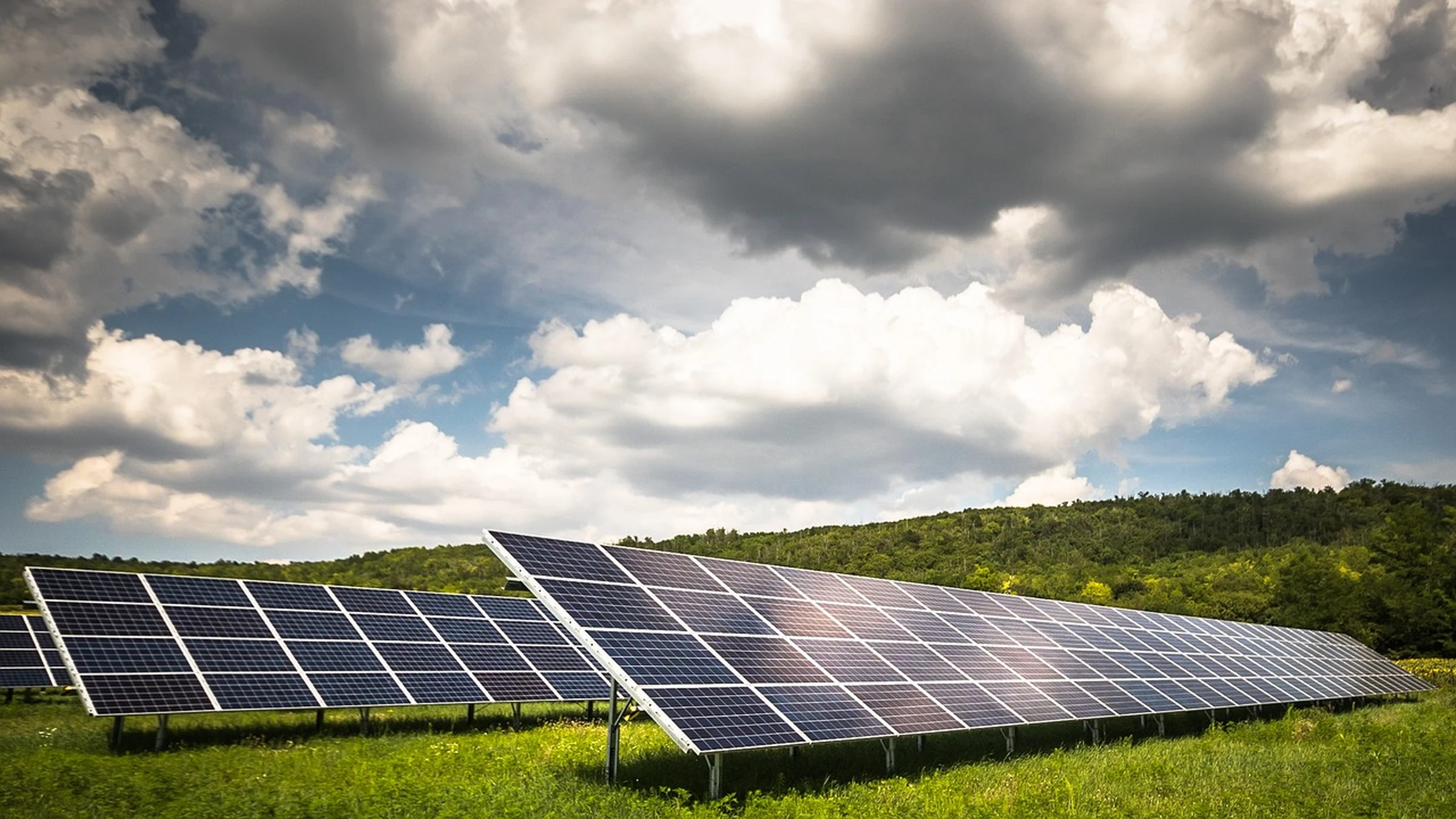
Uzbekistan has signed a US$300 million loan agreement with the New Development Bank for the first phase of a low-carbon energy program. The lender identifies solar, wind, hydropower and nuclear power as eligible areas.
Uzbekistan’s first loan agreement with the New Development Bank puts US$300 million behind the government’s low-carbon power program. The bank announced the signature on November 17 and describes the financing as a sector loan. The borrower is the Republic of Uzbekistan, with the Ministry of Economy and Finance responsible for coordination alongside sector authorities and the entities that implement projects.
What the agreement finances
The bank says the loan can fund government-backed projects in solar, wind, hydropower and nuclear power. It expects the wider program to help diversify a power supply heavily dependent on natural gas while meeting growing demand. As the program advances, the mix of projects will determine what that diversification looks like.
A solar or wind installation brings generation that varies with weather and time of day. Hydropower output depends on water availability and the way a plant is operated. Nuclear power has a different set of construction and operating requirements. Each option brings its own contribution to the grid and its own delivery timetable. The bank’s four eligible technology areas therefore describe where financing can go. Knowing what the loan will contribute to the electricity supply requires seeing which assets are chosen.
Where delivery can be tracked
The bank lists an implementation period of 2026–2037 for the program and identifies other financing sources for the balance of funding. That project-level information puts the signed loan in a longer investment period. It leaves open the timing and funding mix for individual construction projects.
As the government identifies assets for financing, records of allocations can show how much of the loan each project draws and how much it depends on funds from elsewhere. Procurement and commissioning records can then show when those decisions begin to change power supply. The signature is the milestone to track for the government’s financing commitment. For electricity consumers, the corresponding milestones come when individual assets are ready to connect and generate.
Take-Out
The agreement establishes a source of government financing across several power technologies. An asset-level account will need to show which projects receive funding, when they can deliver and how their generation serves the grid.
Questions and answers
What readers should know
- How large is the agreement?
- US$300 million from the New Development Bank.
- Who is the borrower?
- The Republic of Uzbekistan.
- Which ministry coordinates implementation?
- The Ministry of Economy and Finance works with sector authorities and implementing entities.
- Which technologies are eligible?
- Solar, wind, hydropower and nuclear power.
- Does the announcement allocate amounts to individual power plants?
- The public announcement identifies the technology areas and the overall loan amount without giving a plant-by-plant allocation.
Stay in the loop
Keep Mark and Focus in view
Hear about future publications, announcements, and relevant updates from Mark and Focus.