
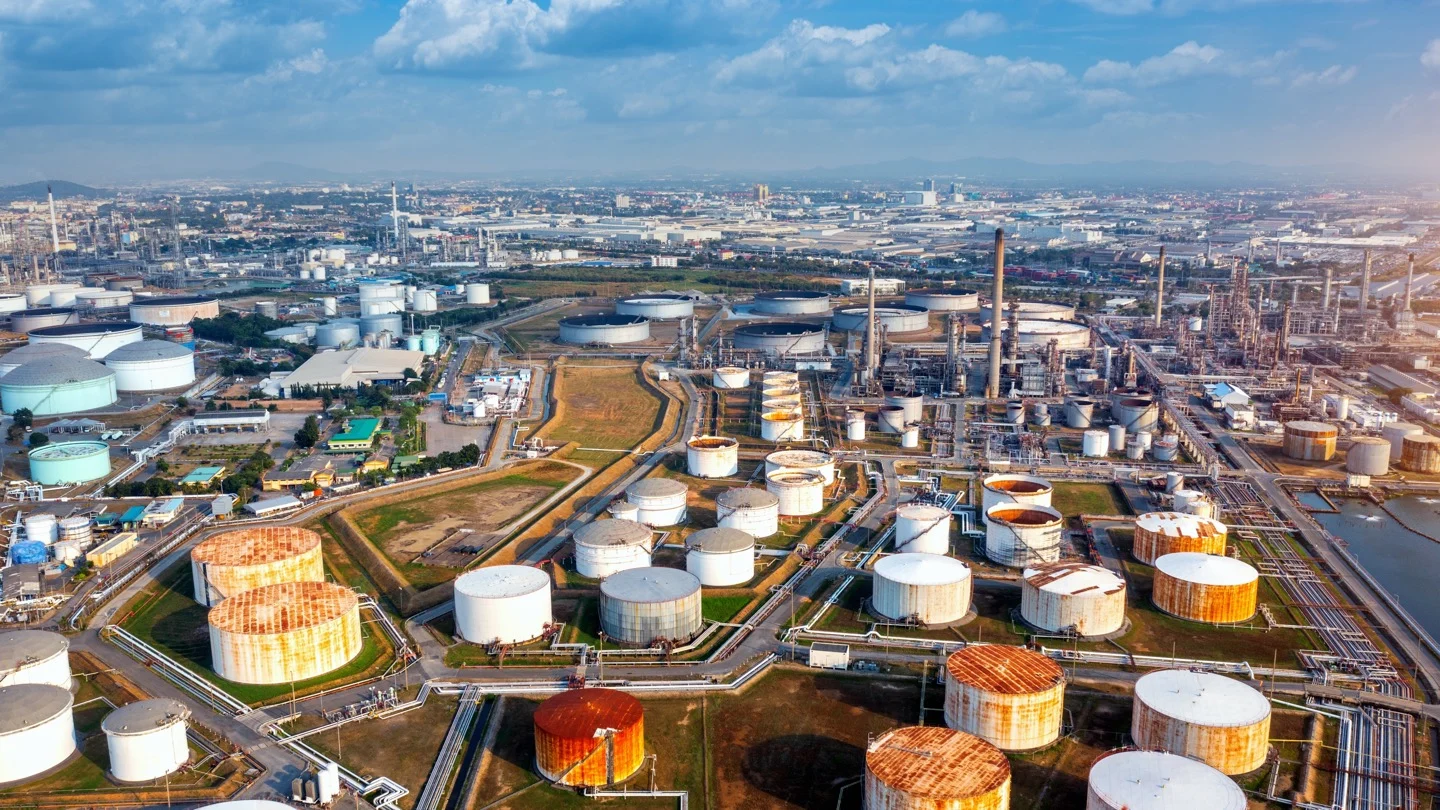
The fuel study evaluates three marine-access options, a possible pipeline, expanded storage, tariffs and financing within one pre-investment decision. Its value lies in showing whether a technically viable configuration can also support affordable supply.
Tonga has not made a final fuel-infrastructure investment decision. It has commissioned a feasibility study that brings the decision’s connected parts into one frame: tanker access, discharge infrastructure, storage capacity, tariffs and private finance. That scope matters because roughly 98 percent of the country’s imports arrive by sea. Fuel security therefore depends on how maritime access, onshore assets and commercial rules perform together, not on any one component in isolation.
Tonga’s Fuel Decision
The U.S. Trade and Development Agency is funding the Tonga Fuel Transport and Storage Infrastructure Feasibility Study. Its first task is to assess how medium-range tankers could access Tonga while connecting that physical change to the country’s fuel-pricing framework. The study compares three port or mooring options and considers a discharge pipeline to storage terminals. This is pre-investment analysis: it is defining viable configurations and their consequences before construction authority is granted.
The assessment also examines increasing storage from 2.5 million liters to 6 million liters, described as potential supply for 60 days. More capacity could create a larger buffer, but storage value depends on replenishment, operating reliability and the cost carried through the fuel system. These are options under study, not evidence that the expansion will be built or that 60 days of supply will be achieved in operation.
How Port, Storage and Tariffs Connect
Port access determines which ships can deliver fuel and how cargo reaches shore. The study’s three options therefore change more than marine engineering: they affect the discharge route, storage connection and capital requirement. Queen Salote Wharf provides an upgraded port context through the Asian Development Bank-financed Nuku’alofa Port Upgrade Project. The wharf record does not settle the fuel option, but it shows why the new study must account for existing maritime infrastructure rather than assess a storage tank in isolation.
Commercial design is the second half of the mechanism. Engineering and capital-cost estimates indicate what an option requires; tariff analysis determines how those costs could enter prices; private-investment conditions test whether outside capital can participate; public-private financing options allocate funding and risk. A technically workable port connection can still fail the national objective if its financing makes fuel less affordable, while a low-cost tariff assumption is not credible without deliverable infrastructure behind it.
The Investment Test
Tonga’s dependence on maritime imports raises the consequence of a weak interface. With roughly 98 percent of imports arriving by sea, port performance affects the availability of goods throughout the economy. Fuel adds a further dependency because transport, power and other services require reliable supply. The feasibility study can clarify where capacity is constrained and which combination of marine and storage assets offers a credible route to greater resilience.
The decision should preserve the distinction between capacity and performance. A 6 million-liter design describes potential storage; a 60-day figure describes possible coverage; an upgraded wharf describes enabling context. None proves that fuel will be delivered reliably or affordably. Decision makers will need to compare lifecycle costs, operational responsibility, tariff effects and financing obligations across the three options before choosing whether and how to proceed.
The strongest outcome from the study would be a traceable investment case rather than a preferred engineering concept alone. It should show how tanker access connects to discharge and storage, who carries each risk, how tariffs reflect costs and what public or private capital is expected to fund. That integrated record would let Tonga judge fuel security as a system decision while retaining the option not to build an arrangement whose commercial terms do not support national supply needs.
Take-Out
Tonga will need one traceable investment case that assigns responsibility for marine access, storage operations, tariffs and financing before selecting an option.
Questions and answers
What readers should know
- What is the United States Trade and Development Agency funding in Tonga?
- The United States Trade and Development Agency is funding a feasibility study that links medium-range tanker access with Tonga’s fuel-pricing framework.
- Which options does Tonga’s fuel study compare?
- It compares three port or mooring options and considers a possible discharge pipeline to storage terminals.
- How much storage does Tonga’s fuel study assess?
- It examines an increase from 2.5 million liters to 6 million liters, described as potential supply for 60 days.
- Why is Tonga’s maritime infrastructure central to the decision?
- The Asian Development Bank (ADB) reports that roughly 98 percent of Tonga’s imports arrive by sea, making port performance a national dependency.
Stay in the loop
Keep Mark and Focus in view
Hear about future publications, announcements, and relevant updates from Mark and Focus.