
Mark and Focus analysis
Perth’s Smart Water Meter Program Turns Hourly Data Into Earlier Leak Alerts
Read the analysis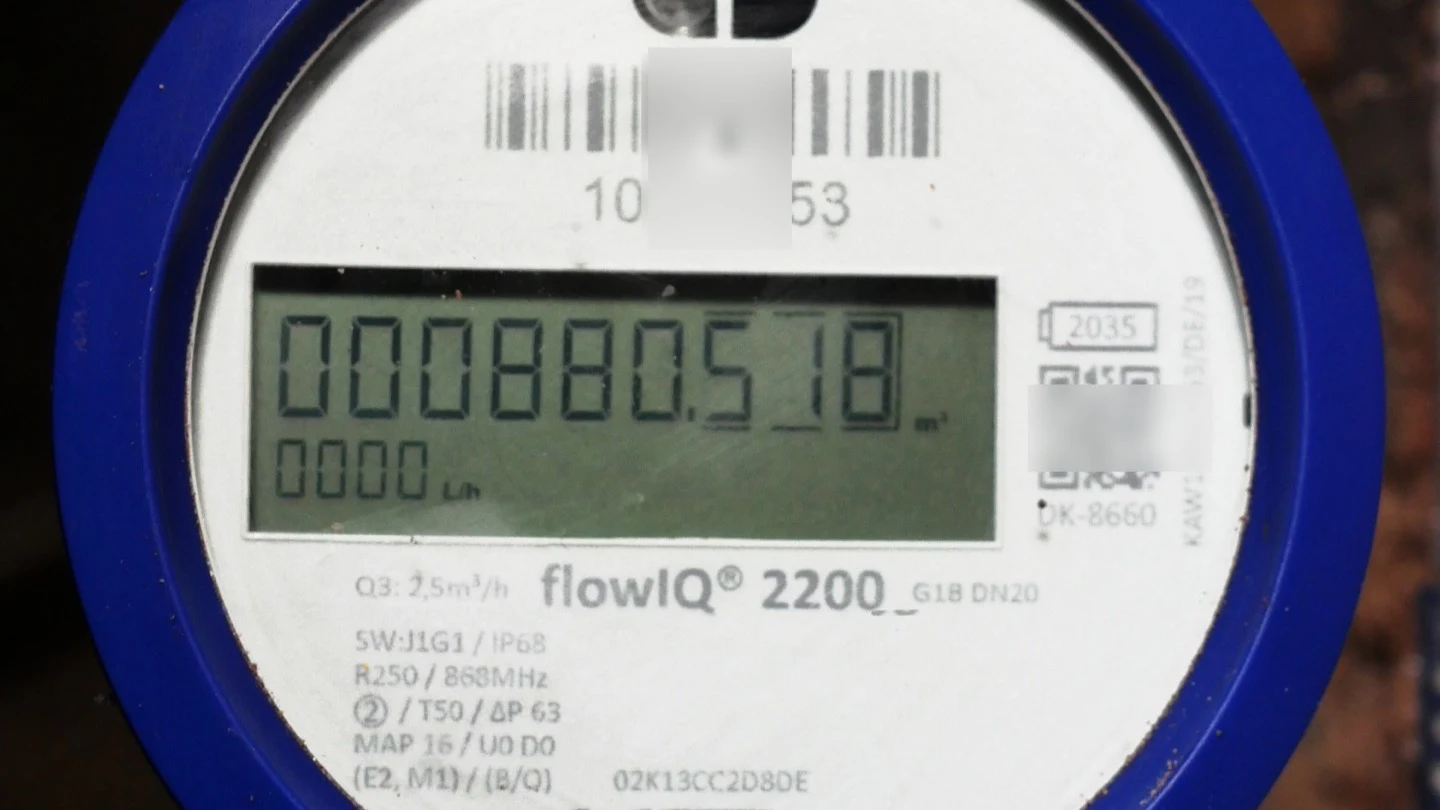
Water Corporation is testing smart meters across up to 16,000 Perth properties, giving participating customers hourly usage data and leak alerts while the utility evaluates technology and service performance.
Water systems need timely information about customer demand, hidden leaks and changing consumption patterns. Smart meters can provide that visibility, but measurement alone does not conserve water. The data must be transmitted reliably, interpreted correctly and presented in a form that helps customers and utilities act. Water Corporation’s Perth smart water meter program brings those functions together through hourly readings, online usage views and alerts for possible leaks or unusually high consumption. The program is still in progress, so its wider value will depend on what the utility learns from implementation and customer use.
Hourly Data Makes Water Demand Visible
Conventional meter readings provide only occasional snapshots of consumption. Water Corporation’s smart meters measure water use in hourly intervals and send the information back each day. Participating customers can view the data in the My water use section of their Online Account, normally after it is processed the following day. They can examine daily, weekly, monthly and yearly use, compare different periods and select custom date ranges.
This detail changes the role of the meter. Instead of supporting billing alone, it becomes a source of operational information. Customers can see when demand rises, whether seasonal patterns are changing and how adjustments in household or business activity affect consumption. Water Corporation can use the program to assess how richer data might improve customer services and utility operations. The evidence establishes access to more detailed information; it does not yet establish a quantified reduction in demand across the program.
Continuous Flow Can Reveal Hidden Leaks
Leak detection gives hourly data an immediate practical purpose. Water Corporation’s systems look for extended periods of continuous flow. A typical property should have intervals when water use falls to zero, particularly when occupants are asleep or away. If flow continues through those periods, the pattern may indicate a hidden leak.
Customers who register for Leak & Water Use Alerts can receive an email or SMS when the system detects possible leakage or unusually high consumption. The alert shortens the interval between abnormal use and customer awareness, allowing the customer to investigate before water loss and bills continue to rise. Continuous flow is an indicator rather than proof: a hose, evaporative air conditioner or swimming pool can produce a similar pattern. The customer still needs to identify the cause and arrange any necessary repair.
Reliable Data Is Part of the Metering Service
Digital metering depends on more than the device attached to a pipe. The meter, communications network, utility systems, online account and alert service must operate as a connected chain. Water Corporation notes that a temporary connection problem can leave a gap in the customer’s graph. Once the information is retrieved, the graph can update to show the recorded hourly use. Until then, accumulated consumption may temporarily appear in a later interval as an unusual spike.
This distinction matters because customers may otherwise interpret a communications artifact as a sudden change in demand. A reliable service therefore requires both dependable transmission and a clear explanation of incomplete or delayed data. Data quality is part of customer trust: the system must help users distinguish an actual consumption signal from a temporary retrieval problem.
Perth Is Testing Smart Meters Across Different Conditions
Water Corporation describes the Perth program as an in-progress initiative running from 2023 to 2026. It covers up to 16,000 properties in selected water zones across Perth and Peel. The sample includes households and businesses, coastal and hills locations, and meters with different access conditions. Customers outside the nominated zones cannot currently apply to join.
Five smart meter types are being used so Water Corporation can assess how different devices perform under local conditions. The utility pays for purchase and installation, and participating customers are not charged to use the new online services. The devices are low-powered radio units that Water Corporation says comply with Australian standards. Smart Water Insights and Leak & Water Use Alerts became available to participating customers in November 2025, marking a shift from installation activity to the practical use of program data.
Implementation also depends on physical access. Regulation 24(1) of Western Australia’s Water Services Regulations 2013 requires an owner or occupier to maintain clear, safe access around a meter. Water Corporation can move an obstructed property into a later replacement round and ask the customer to remove the obstruction. Continued non-compliance may lead to an infringement. Digital capability therefore still relies on a basic physical condition: the utility must be able to reach and replace the meter.
Customer Action Completes the Operating Chain
Responsibilities are divided across the service. Water Corporation selects the participating zones, funds and installs the meters, retrieves the readings, operates the online account and applies its alert logic. Customers maintain access to the meter, review the information, interpret alerts and investigate possible leaks or unusually high use. A plumber may be needed when the customer confirms a leak.
The arrangement works only when those responsibilities connect. An accurate hourly reading has limited value if it never reaches the account. A clear alert has limited value if the customer does not receive or understand it. Customer action cannot solve the problem if the underlying data is delayed or the meter is inaccessible. Smart metering is therefore a service system linking measurement, communications, interpretation and response rather than a device upgrade in isolation.
What Will Show Whether Perth’s Program Works
The program has established its operating mechanisms: selected properties have smart meters, usage information is available in hourly intervals, and participating customers can register for alerts. Water Corporation is also gathering customer feedback to inform the future of smart-meter services. These are implementation outputs, not yet evidence of program-wide water savings.
A complete assessment will need to show whether the five meter types perform reliably, whether customers use the online information, whether alerts lead to earlier leak investigation and whether those actions reduce avoidable losses. It should also distinguish technical performance from customer response. A meter can transmit accurate information while conservation benefits remain limited if the information does not produce timely action. Perth’s program is valuable because it tests that complete chain under different operating conditions rather than assuming that installing digital meters is sufficient.
Take-Out
Perth’s smart-meter program links hourly measurement to earlier customer action, but its wider value will depend on reliable data, accessible meters and evidence that alerts reduce avoidable water loss.
Questions and answers
What readers should know
- How many properties are included in Water Corporation’s Perth smart water meter program?
- Water Corporation says the in-progress program covers up to 16,000 properties in selected water zones across Perth and Peel.
- How often do Perth smart meters measure water use?
- The meters measure use in hourly intervals and send the data to Water Corporation each day for display in participating customers’ Online Accounts.
- How does Water Corporation identify a possible leak?
- Its systems look for continuous flow over an extended period, particularly when normal property use should fall to zero, and can alert customers who register for the service.
- Does continuous flow always mean that a property has a leak?
- No. Water Corporation notes that hoses, evaporative air conditioners and swimming-pool filling can also produce continuous flow, so the customer must investigate the cause.
- Has the Perth smart water meter program proved that it reduces water use?
- Not yet. Available program information confirms implementation and customer-service functions, but it does not establish a quantified program-wide reduction in water demand or leakage.
Stay in the loop
Keep Mark and Focus in view
Hear about future publications, announcements, and relevant updates from Mark and Focus.