
Mark and Focus analysis
The Netherlands Is Buying Time for the Infrastructure It Already Has
Read the analysis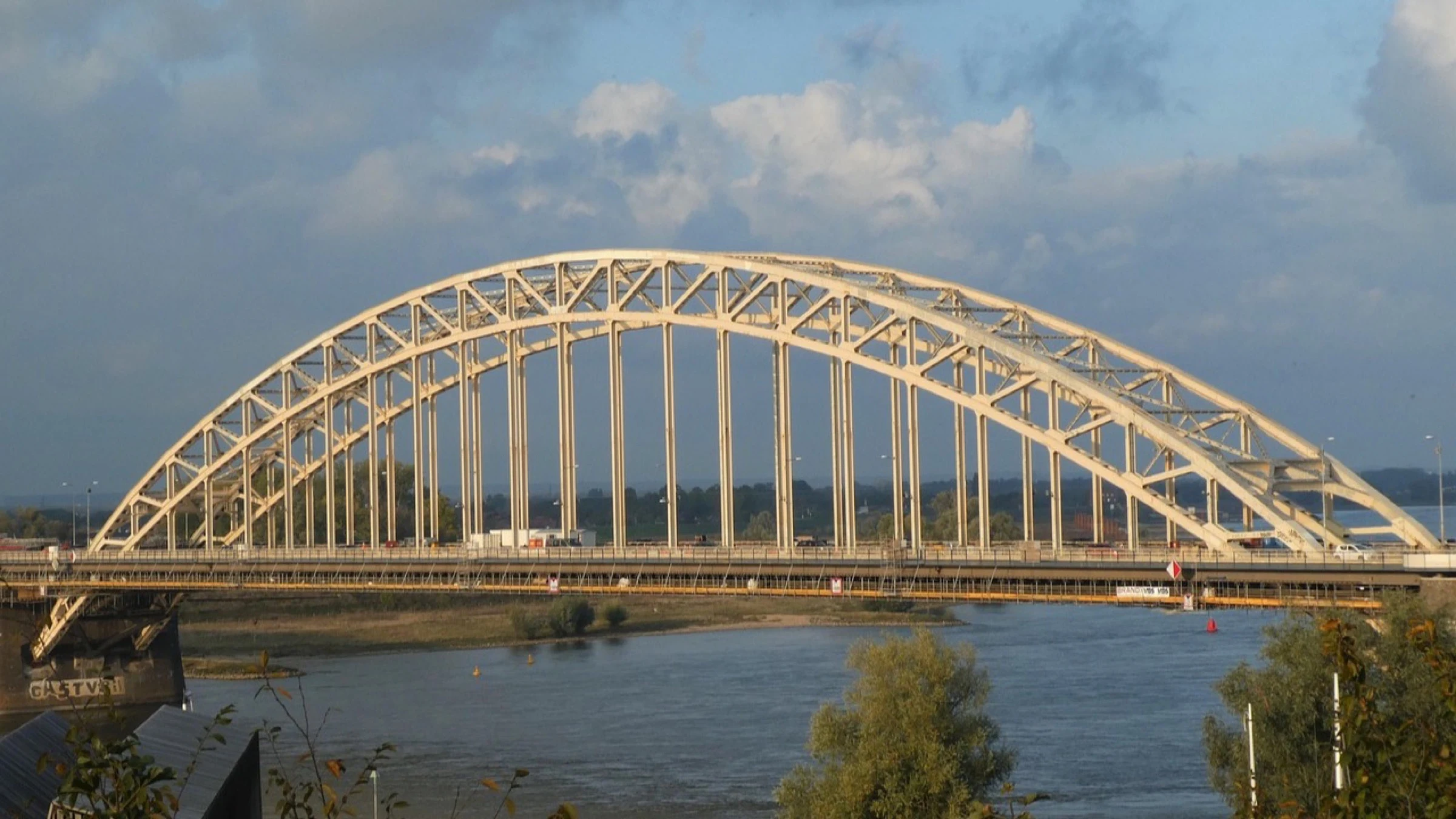
The Dutch government has added funding for major maintenance and regional accessibility while reprioritizing its infrastructure portfolio. The September budget announcement makes asset renewal a central investment choice, but extra money still faces limits in staffing and delivery capacity.
The Netherlands’ September 15 infrastructure announcement puts additional money behind a choice governments often postpone: renewing the networks already carrying daily travel. The government says it is adding €5.1 billion to the Mobility Fund through 2040, including €1.5 billion for major maintenance, alongside a structural €300 million annual increase for regional accessibility. The funding accompanies a wider reprioritization, rather than a promise that every existing project can proceed.
An addition to the budget is a choice within the portfolio
The maintenance allocation addresses an aging asset base. The ministry describes roads and bridges that need replacement or renovation and infrastructure carrying heavier demands than originally anticipated. In that setting, investment in existing assets is a claim on future mobility capacity as much as a response to deterioration.
The announcement also says billions are being shifted from new construction toward renewal and maintenance. Adding money and reallocating existing money are distinct decisions. The first increases the resources available; the second changes which uses get priority. Combining them can make the maintenance commitment more consequential than a single extra allocation, but the headline amounts do not reveal which individual assets will receive work first.
This is why the portfolio choice deserves attention alongside the funding total. A new project creates a visible addition to a network. Renewal can protect an equally important service without adding a new line on the map. Treating continued functionality as an investment result gives existing routes a stronger claim when they compete with expansion.
Safety and basic function set the order
The government’s June prioritization statement established the background to September’s announcement. It said both budget and workforce were insufficient to execute all projects, and called for choices across operation, maintenance, renewal and construction. Its review extends across the Mobility and Delta funds through 2040, while taking account of legal commitments.
The stated approach puts maintenance of existing infrastructure first and gives safety precedence when deciding the sequence. It also distinguishes measures that can extend an asset’s working life from cases where replacement is necessary. These distinctions can prevent a renewal program from becoming a simple age-ranked list: two old assets need not require the same intervention or carry the same immediate risk.
The analytical consequence is a more explicit allocation problem. A decision to delay expansion can release resources for renewal, but it also leaves the original access need unresolved. Conversely, postponing maintenance to protect expansion can weaken the routes on which that expansion depends. The criteria make those tradeoffs discussable; they do not remove them.
Regional accessibility has a separate purpose
The recurring regional allocation addresses access to work, schools, shops and hospitals. It is not interchangeable with a major-maintenance envelope. One concerns the continuing condition of infrastructure; the other is framed around whether people can reach essential destinations in their region.
The two purposes may overlap in a particular project, but that overlap needs to be demonstrated. Maintaining a road does not automatically resolve a gap in public transport. Improving a regional connection does not necessarily address the most urgent condition problem on a national bridge. Keeping the funding purposes visible makes it easier to ask what each intervention is expected to change.
The June statement also discusses using existing networks more effectively through a regional approach and combinations of transport modes. That provides a broader context for accessibility than constructing new assets alone. It does not establish the eventual mix of projects funded by September’s additional allocation, or their measured effects on journey times and access.
Money meets a constrained delivery schedule
The workforce constraint in the earlier statement is particularly relevant to an enlarged maintenance program. If staffing and delivery capacity remain limited, a larger financial envelope still requires a practicable sequence of work. The September announcement supplies additional resources without presenting evidence that this constraint has disappeared.
A credible portfolio therefore needs to connect each spending decision with the scope and timing of an executable intervention. The government’s commitment to reprioritization recognizes that some work will happen sooner, some later and some may no longer proceed. Those choices are the means by which the budget becomes a manageable program, rather than a catalog of simultaneous promises.
The retained statements do not provide a completed project-level selection or measured renewal results. They establish a direction and added funding. Their strongest implication is nonetheless clear: the condition of existing networks now carries an explicit investment claim against expansion. The value of that choice will become visible where safe, service-preserving renewal moves from an allocated sum into scheduled work that the available teams can deliver.
Take-Out
The Dutch maintenance allocation will earn its value through the projects it makes executable: funding, safety priorities and available workforce must meet in a credible renewal sequence.
Questions and answers
What readers should know
- What did the September announcement add?
- The government announced €5.1 billion extra for the Mobility Fund through 2040, including €1.5 billion for major maintenance, and describes a structural €300 million annual increase for regional accessibility.
- Is this only new spending?
- No. The government also describes shifting billions from new construction toward renewal and maintenance.
- What guides prioritization?
- The June statement emphasizes legal commitments, basic network function, maintaining existing infrastructure, opportunities to extend asset life and safety when sequencing work.
- Does the funding remove delivery constraints?
- The government’s announcements do not establish that. The government’s earlier statement identified insufficient budget and workforce to carry out every project.
- Have the funded projects delivered results?
- The sources establish funding and prioritization direction, not a completed project-level program or measured outcomes from the added allocation.