
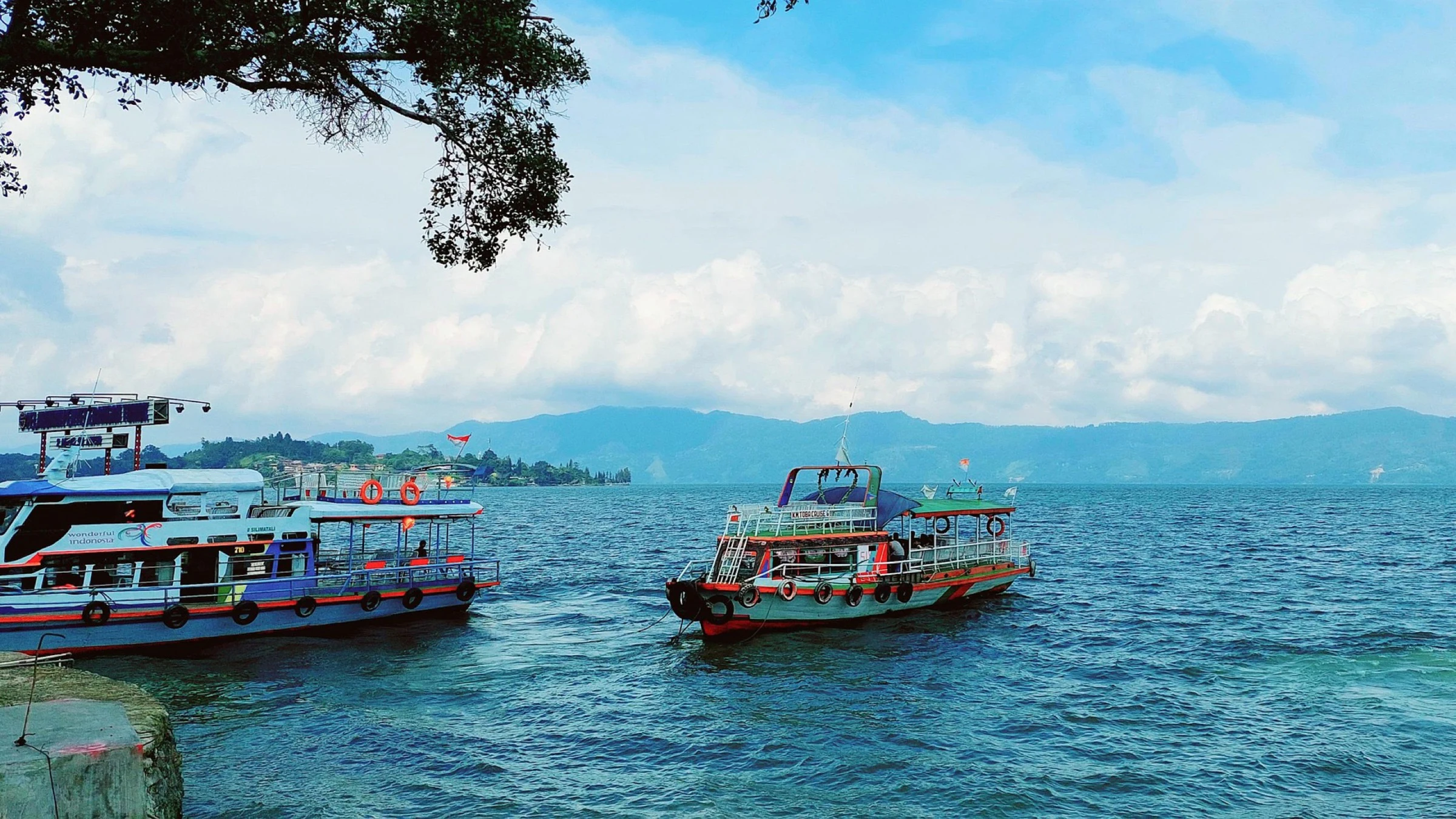
Indonesia has begun a 25-day weather-modification operation over Lake Toba’s catchment. The intervention joins forecasts, flights and reservoir management to protect water for communities, energy and industry during a dry transition season.
Indonesia’s meteorological agency, public water operator and state aluminum company have begun a 25-day weather-modification operation in the Lake Toba catchment. Running from 21 September to 15 October, the operation is intended to increase rainfall and protect a lake level that supports water supply, electricity, communities and industry across North Sumatra.
The first sortie used a Cessna Grand Caravan from the operation center at Silangit Airport. BMKG reported light to moderate rain across the catchment and a 15-millimeter rise in the lake level. That is an early operating observation, not yet proof of the program’s total effect.
The target is inflow, not rainfall alone
Cloud seeding is useful to Lake Toba only if additional rain falls in places and at times that increase usable inflow. Rain over the lake surface, tributary catchments and dry ground can produce different results. Evaporation, soil moisture and the timing of downstream releases also affect the level that operators finally observe.
The operation therefore depends on a chain of decisions. BMKG must identify suitable clouds and evaluate rain and drought conditions. Flight crews must reach the target safely. Perum Jasa Tirta I must connect the meteorological result to lake and river operations. Inalum and other users depend on how that water is then allocated and released.
PJT I’s procurement record puts the 2026 weather-modification package for the Toba–Asahan river system at Rp7.63972 billion. Public reporting should connect that cost to an operational target. The stated objective reported by the operator is to keep Lake Toba near an elevation of 902.04 meters. That gives the program a clearer performance reference than rainfall totals alone.
Attribution is the difficult part
The same clouds may have produced some rain without intervention. A lake-level rise may reflect rainfall that fell before the flight, changes in releases or normal catchment response. A credible evaluation should compare seeded and unseeded opportunities, forecast conditions, radar evidence, rain gauges, streamflow and operating data.
That does not require pretending the atmosphere can be reduced to a controlled laboratory. It requires stating uncertainty honestly. Daily reporting can show the number of suitable cloud opportunities, sorties, seeded material, observed rainfall, estimated inflow and changes in lake level. Independent review can assess whether the attribution method is reasonable.
Attribution also needs a consistent time window. Rain can reach the lake quickly from saturated ground or arrive later through tributaries and groundwater. A same-day level change may reflect local rainfall, upstream inflow, wind or a change in releases. Publishing the flight track, seeding time, observed rain, modeled inflow and operating actions would let independent readers see how the agencies separated those effects. That transparency matters when a short operation informs future spending.
The September operation takes place as the dry season shifts toward the wet season and El Niño has reduced water availability in several sources. That timing may improve the chance of suitable clouds, but it also means natural seasonal change must be separated from the effect of intervention.
The procurement cost supplies another reason to measure a water result. Agencies can compare the estimated additional inflow with the operation’s financial and environmental costs, while recognizing the wide uncertainty around any single campaign. That comparison should not be reduced to a universal cost per cubic meter. It should show when the intervention was used, which risks it addressed and whether less costly operational or demand measures could have produced a similar level benefit.
A strategic lake needs an allocation record
Lake Toba is expected to support drinking water, agriculture, hydropower, industry and local communities. Weather modification can add a temporary supply measure, but it does not resolve competing claims. Operators should publish how lake-level thresholds affect releases and which uses are protected under different conditions.
The collaboration around Lake Toba is valuable because it places meteorology inside water operations rather than treating rainfall as an isolated result. Its lasting contribution will be an evidence trail that links the flight decision to catchment rain, inflow, reservoir behavior and service reliability. Without that chain, a successful sortie remains an interesting weather event rather than a demonstrated water-management tool.
Take-Out
The value of weather modification lies in attributable system outcomes: rain in the right catchment, verified inflow, stable lake levels and transparent decisions about who receives scarce water.
Questions and answers
What readers should know
- What is happening at Lake Toba?
- BMKG, Perum Jasa Tirta I and PT Inalum are conducting a 25-day weather-modification operation across the lake’s catchment.
- When does the operation run?
- From 21 September through 15 October 2026.
- What happened after the first sortie?
- BMKG reported widespread light to moderate rain in the catchment and a 15-millimeter increase in lake level.
- What is the operational target?
- Public reporting identifies a desired lake elevation near 902.04 meters while protecting water availability for multiple users.
- How should success be judged?
- Through attributable rainfall, catchment inflow, stable lake levels, transparent costs and reliable service outcomes rather than flight counts alone.