
Mark and Focus analysis
England’s Drought Response Is Now Managing Scarcity and Sudden Flooding at Once
Read the analysis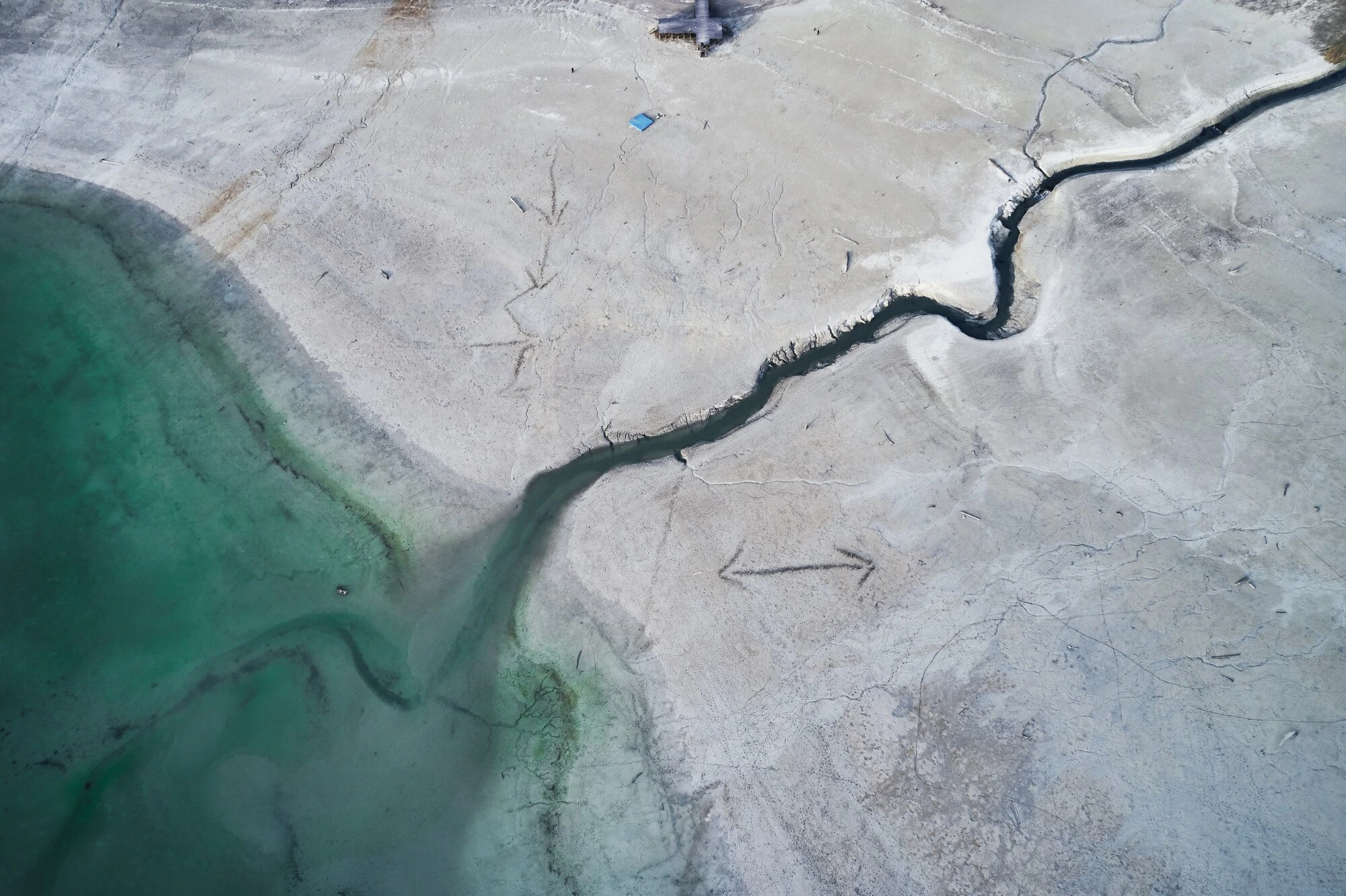
England has moved national drought coordination to a weekly cycle while dry soils, depleted reservoirs, restrictions, ecological incidents, and flash-flood risk coexist. The escalation shows why weather recovery and water-system recovery are not the same thing.
England’s National Drought Group will now meet every week. The Environment Agency announced the intensified cycle on 20 August after a COBR meeting, as drought conditions covered 71.3 per cent of England and nine water companies had restrictions affecting about 29 million people.
The decision is more than a change in meeting frequency. It recognizes that the country is managing two hazards that can appear contradictory: persistent water scarcity and sudden surface-water flooding. Dry, compacted ground can absorb intense rainfall poorly. A storm may produce rapid runoff and local flooding while doing little to rebuild reservoirs, recharge groundwater, restore river flows, or reverse ecological stress.
This is the central distinction between weather and water-system recovery. Weather is an input. Recovery depends on where rain falls, how long it lasts, whether soils admit it, how much reaches reservoirs and aquifers, and what demand continues while stores rebuild.
The official indicators show why a few wet days cannot close the episode. By 18 August, England had received only 17 per cent of its average August rainfall. Half of monitored river flows were classed as notably or exceptionally low, with flows lower than during the 2022 drought. Reservoir storage stood at 62.6 per cent, 16.3 percentage points below the level expected for the time of year. These are not interchangeable measures: rivers can respond quickly to rain, reservoirs more slowly, and groundwater on a different seasonal clock.
The effects are distributed across systems. Water-company restrictions constrain household and business use. Farmers face irrigation limits and reduced yields. The Environment Agency recorded hundreds of irrigation restrictions, with additional voluntary restrictions announced for the Wye and Severn catchments. Low flows and warm water increase stress on fish and contribute to algal incidents. Navigation can be curtailed. Fire risk rises. At the same time, responders must remain prepared for intense rainfall and flooding.
Weekly national coordination is useful because these pressures interact faster than long planning cycles. Water companies hold supply and demand data. The Environment Agency manages abstraction, environmental protection, and incident response. Farmers and navigation bodies face operational restrictions. Local authorities and emergency services manage heat, wildfire, and flood consequences. A weekly forum can align the current picture, identify conflicts, and adjust messages before separate actions undermine one another.
Frequency is not the same as effectiveness, however. The group needs decision thresholds and transparent evidence. Which indicators would justify tightening or easing restrictions? How are environmental needs weighed against abstraction for food production? When rain falls, what combination of soil moisture, river flow, groundwater, and storage counts as meaningful recovery? Publishing that logic helps households and businesses understand why restrictions may remain after the weather turns.
The episode also exposes the relationship between emergency management and long-term supply strategy. England’s National Framework for Water Resources estimates that by 2055 the public water-supply system could face a deficit of up to five billion litres a day, with another billion litres a day needed by other sectors. The response portfolio includes demand reduction, transfers, leakage control, and major new infrastructure, including reservoirs. None can be delivered at the speed of an emergency meeting.
That makes the current drought a test of the bridge between timescales. Restrictions and incident response manage this season. Agricultural support absorbs some immediate damage. Catchment measures can improve retention and ecological condition over years. New supply assets take longer still. If these layers are treated separately, emergency response ends without changing the conditions that made it necessary.
The weekly meetings should therefore produce more than a national status update. They can create a running account of system recovery and expose where responsibilities or investment schedules do not align. The key question is not simply when England receives rain. It is when rivers, reservoirs, aquifers, farms, ecosystems, and customers have recovered enough that extraordinary coordination is no longer required.
Take-Out
Rain can relieve immediate demand without repairing depleted storage, damaged ecology, or agricultural losses. Drought management must track system recovery, not the arrival of wet weather.
Questions and answers
What readers should know
- Can flooding end a drought?
- Not necessarily. Heavy rain can raise river flows quickly while groundwater, reservoirs, soils, ecosystems, and farm businesses remain below normal condition.
- Why can drought and flood risk coexist?
- Dry or damaged catchments may absorb water unevenly, intense rainfall can exceed drainage capacity, and depleted system reserves can take months to recover.
- What should drought recovery indicators measure?
- Authorities need to track storage, groundwater, ecological condition, abstraction pressure, agricultural impacts, and service resilience alongside rainfall totals.
Stay in the loop
Keep Mark and Focus in view
Hear about future publications, announcements, and relevant updates from Mark and Focus.