
Mark and Focus analysis
Honiara Brings Three Reservoirs and New Trunk Mains Into Service
Read the analysis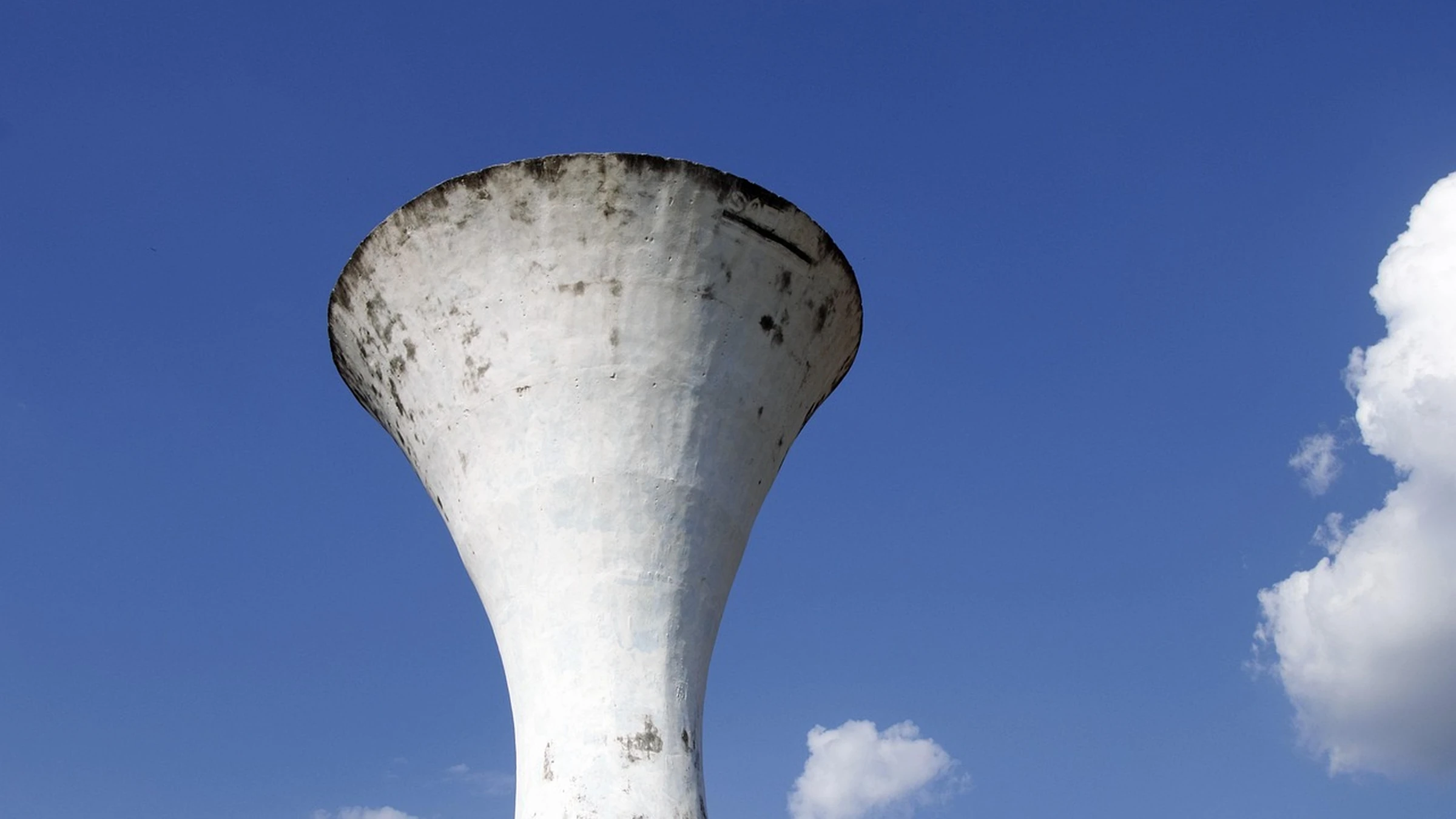
Honiara commissioned three reservoirs and more than 10 kilometers of trunk mains on November 3. Solomon Water can use the new storage to buffer short supply interruptions and the mains to move water between parts of the city.
Honiara’s water utility brought three reservoirs and new transmission pipes into service on November 3. The tanks are spread across Titinge, Tasahe and Panatina. This makes the work more than a storage expansion. The places where Solomon Water can hold and deliver water change how the network can respond to demand surges and short interruptions.
Storage Where Water Can Reach Users
The three new tanks provide just over 8.5 million liters of installed storage capacity. At Tasahe, a 3 million-liter concrete reservoir replaces a 900,000-liter steel tank. The Titinge and Panatina facilities have capacities of 3.05 million and 2.5 million liters, respectively. Tasahe’s replacement is why the combined capacity of the new tanks and the net change in capacity are different measures.
Storing treated water near the areas it serves gives an operator time to deal with a shortfall upstream. When water enters the system faster than users draw it, a tank can fill. When demand rises above the rate at which incoming pipes can deliver, stored water can help cover the difference. That buffer depends on how much of the stored water is available at workable pressures and what customers are drawing at the time. There is no single number of backup hours that applies to every operating condition.
The Routes Between Facilities Matter
The government reports that more than 10 kilometers of trunk mains form part of the commissioned work. The routes include Kongulai to White River, White River to Iron Bottom Sound, East Kola Ridge to Vura and Panatina Reservoir to Burns Creek. Trunk mains move bulk water between locations in a network. They have a different job from the smaller distribution pipes that carry water to individual streets and properties.
The links matter because a storage tank upstream of a bottleneck can fill even while customers downstream struggle to get water at busy times. The Panatina-to-Burns Creek connection shows the logic in a concrete way. If water can move from storage along a route serving the intended area, the reservoir can support the local network during peaks. For an operator, a tank’s volume is only part of the design question. The other part is whether the connecting pipes can move enough of that water when and where it is needed.
From Tanks Built to Tanks in Service
Solomon Water’s June construction update reported that the reservoir structures were complete. Disinfection had taken place, and filling and leakage tests were under way. Pipe interconnections, flow meters, monitoring instruments and electrical work were still progressing across the sites. The difference between those June milestones and the November commissioning is important. A built structure can hold water after it passes the relevant tests. A connected, monitored reservoir can be operated as part of a public system.
Solomon Water will operate the facilities. The works sit within the Urban Water Supply and Sanitation Sector Project, which has support from the Solomon Islands government, the Asian Development Bank, the World Bank, the European Union and the Global Environment Facility. The wider program includes other investments. Each has to be tracked at its own stage because progress on tanks and mains tells readers little about whether a separate treatment or network package is ready.
What the Utility Can Measure Now
The commissioning announcement estimates that more than 105,000 residents will benefit. That estimate describes the reach of the investment. Setting up flow monitoring during construction means the utility can now compare how quickly reservoirs refill and how far levels fall when supply drops or demand rises. Pressures and interruption records in the areas served would help explain how those changes affect customers.
The intervention gives Solomon Water a way to buffer short disruptions that begin upstream. Its value will be most visible when the new tanks have enough water before an interruption and the mains can move it toward the places that need it. A prolonged source or treatment outage can still exhaust storage. Restoring production in time to refill the system remains part of keeping service reliable.
A Delivery Lesson for Existing Networks
The easiest quantity to publish is how many liters a tank can hold. Honiara’s project gives the utility three other things to count. It can track the routes water can use, the parts of the city those routes serve and the time operators have to respond when inflows fall. That perspective helps a city decide whether its next constraint is another reservoir, a better connection or more dependable treatment upstream.
Take-Out
A reservoir only buffers the parts of the city it can reach. Honiara paired new storage with transmission capacity. Operating records will show how much of that stored water can serve customers through an interruption.
Questions and answers
What readers should know
- Where are the reservoirs?
- At Titinge, Tasahe and Panatina in Honiara.
- How much water can the new tanks hold?
- Together their design capacities total about 8.55 million liters. The Tasahe tank replaces a smaller existing tank.
- How much new trunk main was installed?
- The commissioning announcement reports more than 10 kilometers across several corridors.
- Who operates the new infrastructure?
- Solomon Water, the Solomon Islands Water Authority, operates Honiara’s water network.
- Has the project measured a reduction in outages?
- The commissioning release documents the new assets and expected benefits. It provides no measured change in outage frequency or duration.
Stay in the loop
Keep Mark and Focus in view
Hear about future publications, announcements, and relevant updates from Mark and Focus.