
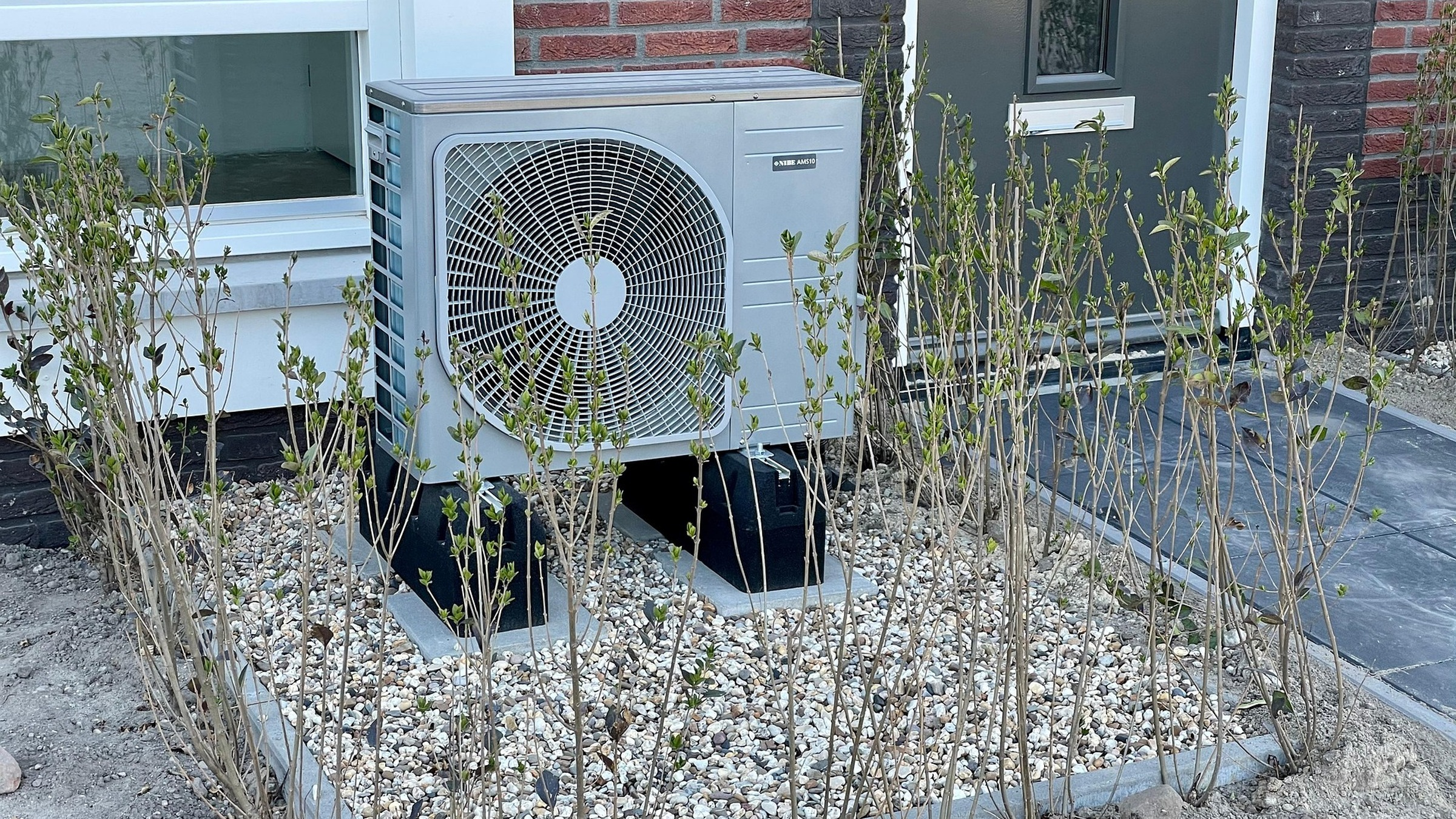
France’s new integrated heat pump offer brings equipment, installation, maintenance and financing into one purchase. Its electricity contract remains optional, making consumer choice part of the arrangement rather than a concession households must surrender to receive support.
France presented its integrated heat pump offer on September 30, with preorders opening the next day. Six initial successful providers were announced. The arrangement targets lower-income owners of individual houses and attempts to reduce the number of separate decisions between choosing new heating and getting it to work reliably.
That is a useful intervention point. A household purchasing a heating system must consider both the equipment and the service surrounding it. A low purchase price is less valuable if installation is poorly matched to the building or nobody takes responsibility for faults. The offer brings those decisions together while leaving an important boundary around electricity supply.
One Purchase, Several Obligations
The announced package includes installation, financing of the household contribution, consumption control and three years of maintenance. Equipment must be sized for the property and installed by qualified professionals. Maintenance covers regular servicing and breakdown interventions. These obligations give the purchaser more to compare than a unit price: responsibility for the operating equipment remains part of the offer.
The government's technical explanation makes the sizing requirement substantive. Heat pump performance changes with operating temperatures, the heating distribution system and the quality of adjustment. In an ADEME and DGEC study of installed systems, average measured seasonal performance for air-to-water pumps was 2.9 units of heat for each unit of electricity. Results ranged from 1.8 to 4.5. The ministry identifies water-temperature settings and radiator sizing as reasons for uneven results.
Those findings do not establish how the newly offered equipment will perform. They explain why an integrated purchase should be judged through commissioning and subsequent use. A household needs to know whether the proposed machine can serve its existing heating emitters, what adjustments are included and which party will respond when measured consumption differs from the estimate.
Electricity Supply Remains a Choice
Providers include an electricity offer with a fixed price for three years. Households may decline it or change supplier without affecting equipment financing or maintenance. That separation matters because a three-year service commitment and a three-year electricity price answer different questions. The first supports equipment availability; the second provides visibility over a particular energy contract.
A fixed unit price cannot by itself fix the heating bill. Consumption still depends on the home, weather, controls and settings. Keeping supplier choice open allows a household to reconsider the price arrangement while retaining support for the installed machine. Consumption control also remains under household control, rather than becoming an unrestricted provider right to determine comfort.
Financing Must Survive the Household Calculation
The offer uses a special energy-saving-certificate support route that cannot be combined with MaPrimeRénov’. The eligibility categories and remaining household contribution therefore belong in the initial comparison. Combining services should reduce administrative friction, but it should also make the total obligation easy to read: upfront contribution, repayments, maintenance coverage and electricity terms each need a clear place in the offer.
The ministry says most packages were designed to repay the remaining investment within three years. That is a design claim, not a measured result for every eligible home. It should be checked against the specific building and financing terms rather than treated as a universal promise. The strongest version of the offer would make its assumptions visible before signing and allow later performance to be compared with them.
The arrangement’s practical value lies in joining the heating purchase to installation quality and continued service while protecting the ability to choose energy supply. Those features should remain legible together when providers turn the national announcement into individual household contracts.
Take-Out
Bundling can make a heat pump easier to buy, but the enduring benefit depends on correct sizing and adjustment. Keeping electricity supply optional lets households retain that installation support without locking every future energy decision into one contract.
Questions and answers
What readers should know
- Who is the offer for?
- Owners of individual houses in the modest and very modest income categories defined by France’s housing agency.
- Is the associated electricity contract compulsory?
- No. Households may decline it or change supplier without affecting financing or maintenance.
- What does maintenance cover?
- The announced three-year contract covers regular maintenance and interventions after breakdowns.
- Can the special support be combined with MaPrimeRénov’?
- No. The ministry states that the special energy-saving-certificate aid is not cumulative with MaPrimeRénov’.
- Does a three-year repayment design guarantee savings?
- No. Actual consumption and repayment depend on the property, installation, adjustment and individual contract.
Stay in the loop
Keep Mark and Focus in view
Hear about future publications, announcements, and relevant updates from Mark and Focus.