
Mark and Focus analysis
Mexico Authorizes a Water Transfer from El Cuchillo to Tamaulipas
Read the analysis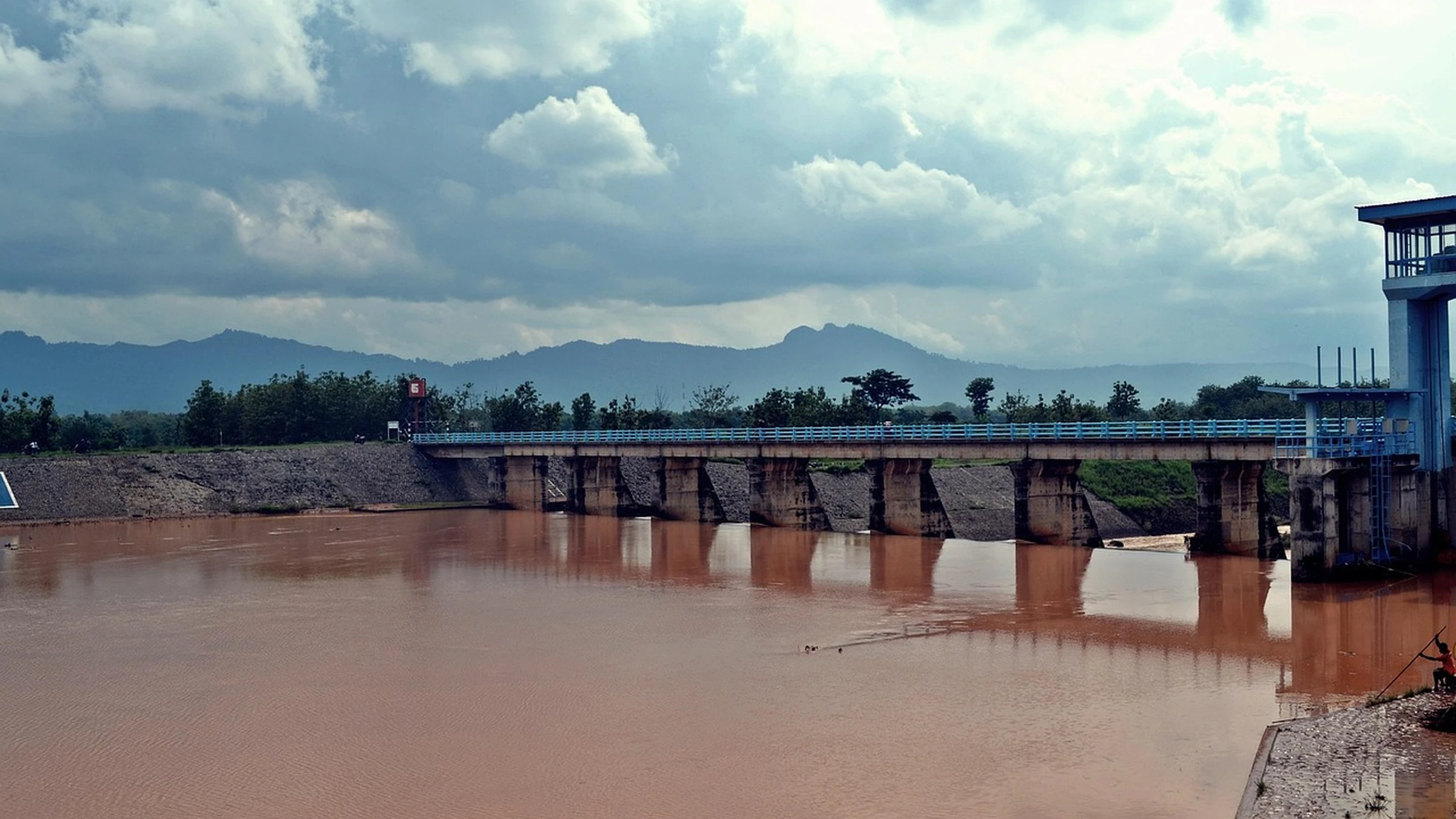
Mexico’s national water authority authorized a transfer of 160 million cubic meters from El Cuchillo to the Marte R. Gómez reservoir. The release was due to begin on November 10 under agreements between Nuevo León and Tamaulipas.
A transfer from El Cuchillo changes where water is held in the San Juan River basin. Water released from the reservoir in Nuevo León is allocated to Marte R. Gómez in Tamaulipas. The November decision sets the volume and the date from which the release could begin, turning an agreement between the two states into a specific operating instruction. The El Cuchillo water transfer links reservoirs in two states.
Storage Informed the Decision
Mexico’s National Water Commission, Conagua, said its hydraulic works committee reviewed storage on November 3 after the 2026 rainy season. It concluded that El Cuchillo held enough water to support the basin’s users. Conagua then announced a 160 million cubic meter transfer under the agreements between the states.
The committee’s assessment concerns the water already in storage. That gives operators a firmer basis for a release than an assumption about future rainfall. The public announcement gives the authorized volume and start date. A record of the flows actually released and the water arriving at the receiving reservoir would establish how much was delivered.
How Monterrey Fits into the Decision
Conagua said storage in El Cuchillo and across Nuevo León’s reservoir system would protect drinking water supply in metropolitan Monterrey during the release. The assessment therefore takes in the system serving the city, alongside conditions at the reservoir from which the transfer starts.
El Cuchillo serves two distinct purposes in this decision. The reservoir holds water available to the system supplying Monterrey and is the source of the interstate release. The city’s aqueduct provides a route to its treatment and distribution system. The transfer moves water toward a separate reservoir under the interstate agreements. Following those routes separately helps explain why the agency addressed metropolitan supply explicitly when it authorized the release.
Take-Out
The decision shows how an interstate agreement and a current storage assessment work together. The agreement provides the basis for a transfer, and the operating assessment supports the timing and volume of the release.
Questions and answers
What readers should know
- How much water was authorized for transfer?
- 160 million cubic meters.
- Where was the water going?
- To the Marte R. Gómez reservoir in Tamaulipas.
- When was the release due to start?
- November 10, 2026.
- What evidence informed the decision?
- The hydraulic works committee reviewed reservoir storage following the rainy season.
- What did Conagua say about Monterrey?
- It said existing storage in El Cuchillo and the wider Nuevo León reservoir system would protect metropolitan drinking water supply.
Stay in the loop
Keep Mark and Focus in view
Hear about future publications, announcements, and relevant updates from Mark and Focus.