
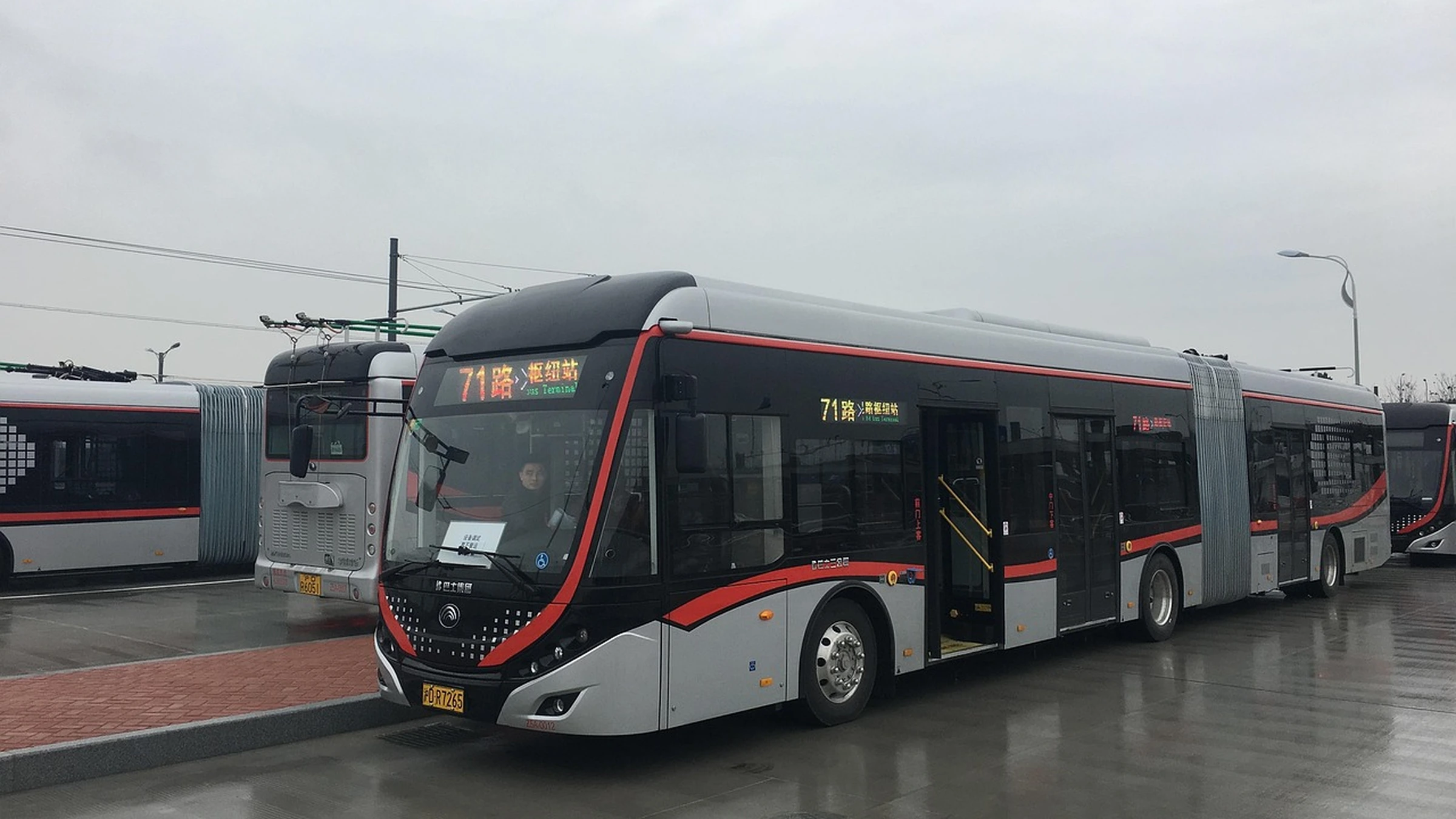
Canada has opened a call for organizations to help transit operators prepare zero-emission bus projects. Up to C$15 million supports planning and advice, with fleet procurement and supporting infrastructure subject to separate capital decisions.
Canada’s October 29 bus planning call puts advice ahead of the next round of zero-emission bus investment. Housing, Infrastructure and Communities Canada is seeking one or more not-for-profit organizations or academic institutions to support municipalities and transit agencies as they prepare fleet transitions. The immediate purchase is planning capacity, with up to C$15 million available, rather than another announced batch of buses.
Selecting the Organizations That Will Help Operators
The call runs to January 14, 2027. Applicants may apply alone or as a consortium, and the successful organizations will work directly with transit operators. This creates a delivery layer between the federal fund and the agencies making fleet decisions: specialist support can reach several operators instead of each agency having to assemble every capability independently.
That arrangement has an advantage when a decision needs skills an operator does not require at the same intensity every year. Modeling, technology assessment and procurement preparation can be substantial tasks during a transition. Sharing access to those skills can support a more considered investment decision. It still leaves each operator needing to understand the advice well enough to own its eventual choice.
The eligibility boundary is also clear. This intake seeks organizations positioned to provide services across Canada, while municipalities and agencies are the intended users of that support. Confusing the two would misread both who is applying and what the federal money is buying.
Planning Must Reach the Operation of the Fleet
The services can cover feasibility studies, technology assessments, fleet transition planning, infrastructure and utility considerations, procurement planning and workforce readiness. The call allows planning for battery-electric buses, hydrogen fuel cell buses and other eligible zero-emission technologies. It does not declare a single technology the correct choice for every service.
A fleet transition therefore needs more than a comparison of vehicles. A vehicle choice has consequences for the supporting site, the supply of energy and the work needed to keep service running. Advice that treats the bus separately from those conditions can leave the operator with an attractive specification that is difficult to put into daily use.
The planning task is to make those consequences visible early enough to affect the purchase. Infrastructure and utility considerations belong in the same decision as the deployment strategy because a fleet cannot rely on an energy supply that its site is not ready to receive. Workforce preparation likewise has to relate to the equipment and operating arrangements eventually chosen.
A Capital Boundary That Clarifies the Purpose
The application page expressly excludes capital infrastructure projects. Bus purchases, charging or refueling infrastructure, buildings, construction, land and other capital assets are not eligible costs under this stream. An operator cannot treat the new support call as an open application for a depot or fleet purchase.
This separation can improve the quality of the later capital request. A planning exercise can compare options before the applicant commits to a particular asset, while capital support can then be assessed against a more developed project. The October announcement says a new Zero Emission Transit Fund capital intake will open in the coming months; it does not give this call’s applicants an automatic capital award.
The broader fund already distinguishes planning studies from capital projects. Its explanation includes buses and associated charging, refueling and facility needs, and describes coordination with the Canada Infrastructure Bank. Those wider arrangements provide context for the transition, but their existence does not expand the eligible costs of this particular call.
From Advice to Decisions an Agency Can Defend
The announced services include performance measurement, knowledge-sharing and capacity building as well as assessments and deployment strategies. These functions matter after the initial report is delivered. An agency needs to explain why it selected an option, identify the assumptions behind it and compare later operating experience with what the plan expected.
Knowledge-sharing can reduce repeated work, especially when several agencies face similar planning questions. It should still preserve the differences that determine a local decision. A shared method can help agencies ask consistent questions without making their service patterns, sites or investment schedules interchangeable.
The current evidence establishes an open competition for support providers and the kinds of work they may perform. It does not yet identify successful applicants, completed plans or emissions achieved through this allocation. The strongest eventual evidence would show that operators used the advice to resolve a specific uncertainty before committing capital: a fleet specification, an infrastructure sequence or a procurement choice that is better grounded because the planning took place.
Take-Out
Planning earns its place when it changes the fleet, depot or procurement decision. The new call should be judged by the decisions operators can make afterwards, alongside the later capital projects it helps prepare.
Questions and answers
What readers should know
- Who can apply to this call?
- Eligible not-for-profit organizations and academic institutions, individually or in a consortium, can apply to provide planning and advisory support.
- How much is available?
- The announcement makes up to C$15 million available for the planning and advisory services.
- Does the call buy buses or chargers?
- No. Capital assets, construction, buses and charging or refueling infrastructure are excluded from this intake.
- Which technologies may be considered?
- The application page includes battery-electric buses, hydrogen fuel cell buses and other eligible zero-emission technologies.
- What is the next investment step?
- The government says another capital intake will open in the coming months; planning support does not itself establish a capital award.
Stay in the loop
Keep Mark and Focus in view
Hear about future publications, announcements, and relevant updates from Mark and Focus.