
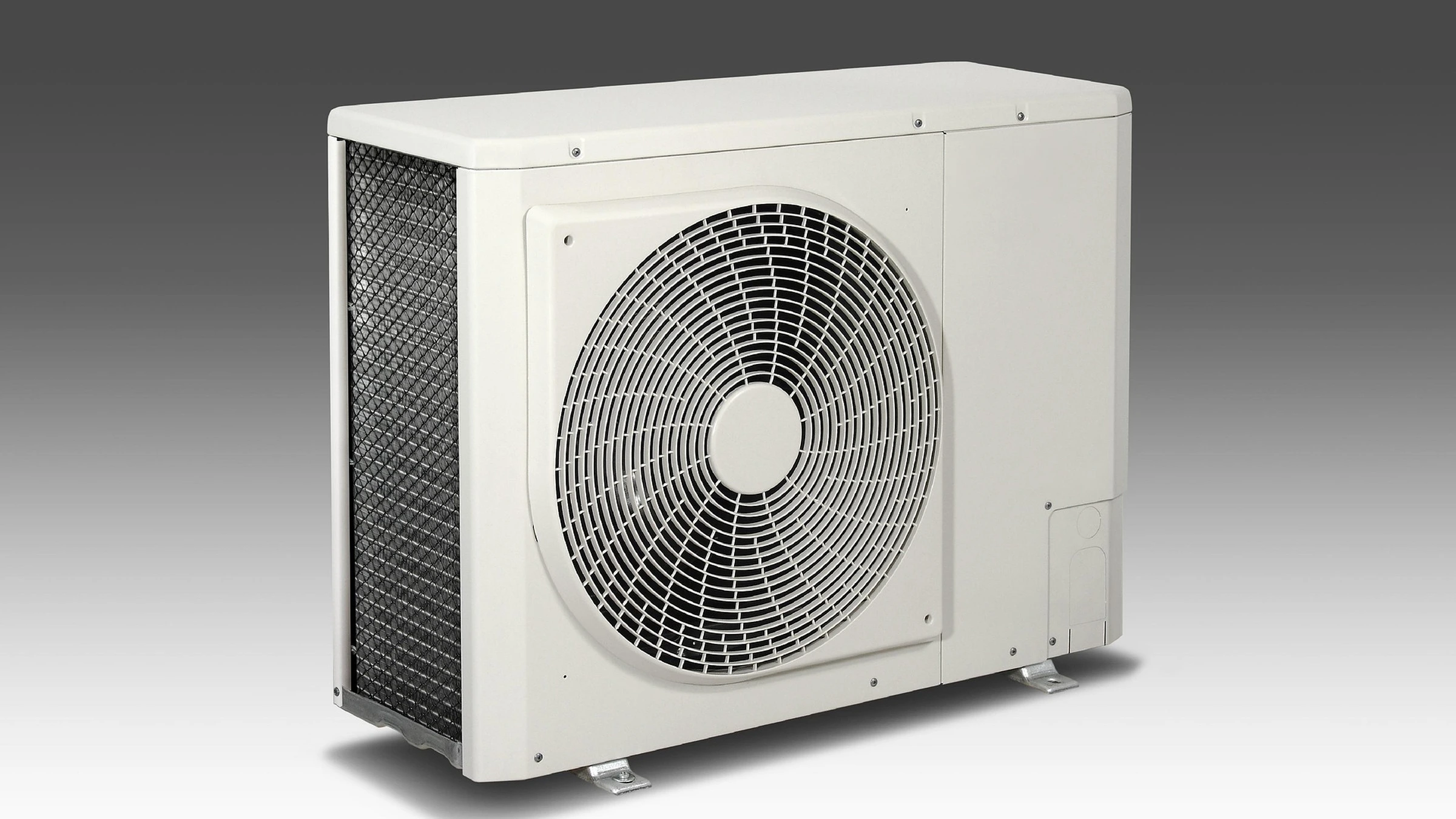
Canada has announced a national heat pump rebate designed to approve applications within a day. Its household purchase route differs from the mortgage insurance, infrastructure-bank investment and project support intended to help apartment owners undertake larger retrofits.
Canada’s new heat pump rebate is built around a decision that often arrives without much warning: an existing heating system stops working, and the owner needs another one quickly. The October 8 announcement proposes a short approval process so that choosing a heat pump can fit that replacement window. The administrative timing is part of the offer’s value, alongside the money.
A rebate can look generous on paper while arriving too late to influence a purchase. Once a household has committed to a replacement furnace, later information about support has little effect on that decision. Canada is trying to move eligibility confirmation toward the point at which equipment is being selected. That makes the application process an active part of the heating transition.
Approval Before the Purchase, Payment After Installation
The program background describes an online application using homeowner information and details of an eligible cold-climate air-source heat pump. It promises approval within 24 hours. Following purchase and installation, the homeowner would submit receipts, with payment approval within five days. No energy audit is required before or after installation.
Those are two different points in the transaction. Preapproval helps the buyer know whether the chosen equipment qualifies. Reimbursement follows the completed purchase. A household therefore needs to consider how it will pay the installer before the rebate arrives; rapid approval does not by itself provide the purchase money. The announcement does not establish that every eligible household has financing for that interval.
Below-median-income households could receive up to C$10,000, while other eligible owners could receive C$2,000. Equipment must appear on the eligible products list. The background also permits applications before an old system actually fails, allowing owners approaching replacement to plan rather than wait for an emergency.
Apartment Buildings Have a Different Route
The wider package brings rental buildings into the retrofit effort through instruments suited to their owners. Canada Mortgage and Housing Corporation would help providers obtain private lending on more favorable terms through mortgage loan insurance. The Canada Infrastructure Bank would support additional multi-unit residential retrofits through its existing allocation.
Neither route is the same transaction as a household equipment rebate. Mortgage insurance supports a lender’s willingness to provide finance; infrastructure-bank involvement supports investment in building upgrades. These arrangements still require projects and borrowers. Their usefulness cannot be measured by counting rebate approvals or by assuming that a landlord’s financing automatically becomes a tenant’s bill saving.
The government also plans to renew the Deep Retrofit Accelerator Initiative. Its role is to help owners move complex upgrades through planning and implementation, connecting a prospective building project with the financing it needs. This addresses a different obstacle from the urgent replacement of a single heating appliance.
The Installer Connects the Two Timetables
The release describes the household program as capable of confirming approval quickly enough for a heat pump to be installed on a furnace-replacement timetable. That promise depends on the work outside the portal. Someone must assess the property, select suitable equipment and carry out installation. Administrative speed can remove waiting at the application stage without proving that local installation capacity has increased.
The background says industry consultations will begin after the announcement and identifies installer engagement, certifications and workforce development as part of rollout. These are important delivery commitments, rather than evidence that every locality already has the required workers. Owners need a usable chain from product eligibility to completed work, not simply a fast digital response.
The proposal’s most distinctive feature is therefore where it places certainty. It seeks to give the owner a funding answer before an equipment choice becomes irreversible, then uses receipts to connect payment with installation. Actual take-up will show whether that sequence works for households facing both a broken heating system and a constrained purchase budget.
Take-Out
A fast approval can keep a failed furnace from deciding the next decade of heating. Its usefulness still depends on an eligible unit, an available installer and a household able to complete the purchase before reimbursement.
Questions and answers
What readers should know
- What is new in Canada’s offer?
- The national heat pump rebate proposes rapid preapproval for eligible equipment, followed by reimbursement after purchase and installation.
- Who could receive the larger rebate?
- The announced design provides up to C$10,000 for below-median-income households; other eligible owners could receive C$2,000.
- Does approval provide the purchase money immediately?
- The background places receipt submission after purchase and installation. It does not describe preapproval as an upfront cash payment.
- How are apartment retrofits supported?
- The package uses CMHC mortgage loan insurance, Canada Infrastructure Bank investment and accelerator assistance, each serving a different part of project delivery.
- Has the announcement demonstrated household savings?
- No. It describes expected savings and a program design. Verified results require evidence from completed installations and subsequent energy use.
Stay in the loop
Keep Mark and Focus in view
Hear about future publications, announcements, and relevant updates from Mark and Focus.