
Mark and Focus analysis
Bundaberg’s Planted Stormwater Basin Reaches Its First Milestone
Read the analysis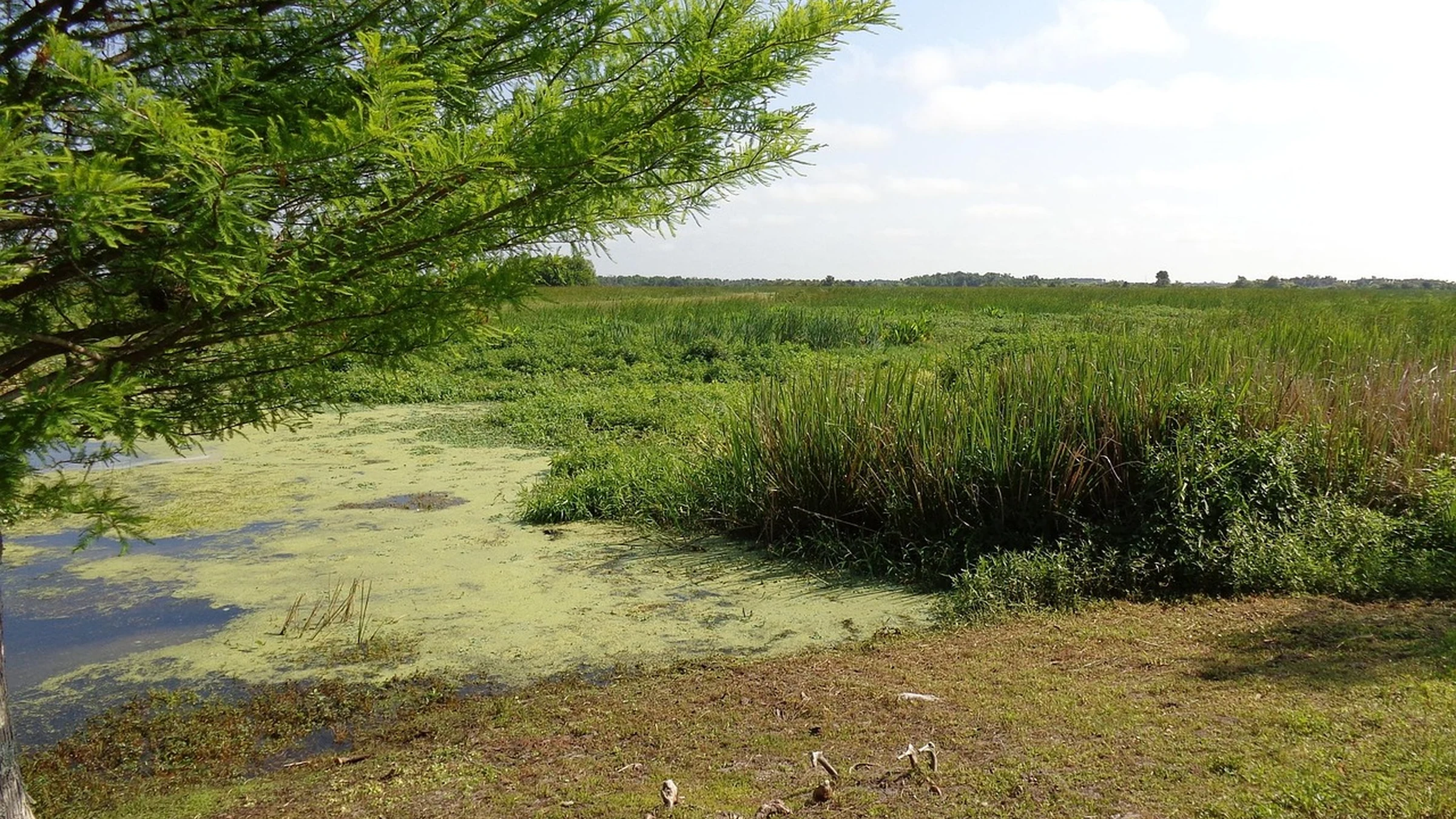
Bundaberg has completed the first six months of a trial that replaced a mown stormwater basin with native vegetation. The council reports strong plant establishment and has begun a longer monitoring period before judging the approach.
The Telegraph Road stormwater basin in Bundaberg used to be mown. In early November the regional council reported that the more than 16,000 native plants introduced in a trial had established well during the first six months. The change matters to the maintenance crew now, even as the council gathers evidence on the longer-term performance of the basin.
Vegetation Changes the Water’s Path
A detention basin gives runoff somewhere to collect before it continues downstream. How the water moves through that space affects how much contact it has with plants and soil. Bundaberg’s council observed that runoff spread through the dense planting, with more opportunity for infiltration. The site drains toward receiving environments including Baldwin Swamp, so the time water spends among stems and roots can affect what reaches the wetland. The November update describes observations of flow and growth and gives no measured change in pollutant concentrations.
The plants have come through both dry and wet periods so far. Established plants help fill gaps where weeds can take hold. The council also says the basin no longer requires regular mowing. As it matures, the work shifts toward checking vegetation and making sure runoff still follows the routes that the design needs.
The Next Test Takes Longer
The trial moves into an 18-month phase focused on plant health, canopy growth and further establishment. The intensity and timing of storms over that period will shape what crews can observe. Plants need to persist through dry weather and keep functioning after wet periods. A basin that looks established on a routine inspection may respond differently when runoff arrives quickly or carries sediment.
For other councils, the question is which maintenance and monitoring skills can take over when a mowing schedule ends. An inspection after heavy rain can show where water has cut a shortcut or deposited sediment, while observations through dry periods can show whether plants need more support. Together those checks can tell Bundaberg whether this early planting milestone is likely to translate into a dependable change in stormwater management.
Take-Out
The planting changed a routine maintenance task within six months. Replicating the design depends on how the vegetation and flow paths perform as the basin matures.
Questions and answers
What readers should know
- Where did the work take place?
- At the Telegraph Road Detention Basin in Bundaberg, Queensland.
- How many plants were put in?
- The council reports more than 16,000 native plants at the site.
- What did the council observe in the first six months?
- It reported strong plant establishment, runoff dispersing among the vegetation and less need for mowing.
- Which receiving environment is named?
- Baldwin Swamp is among the downstream environments receiving water from the basin.
- How long is the next monitoring phase?
- The council says the monitoring and maturation phase lasts 18 months.
Stay in the loop
Keep Mark and Focus in view
Hear about future publications, announcements, and relevant updates from Mark and Focus.