
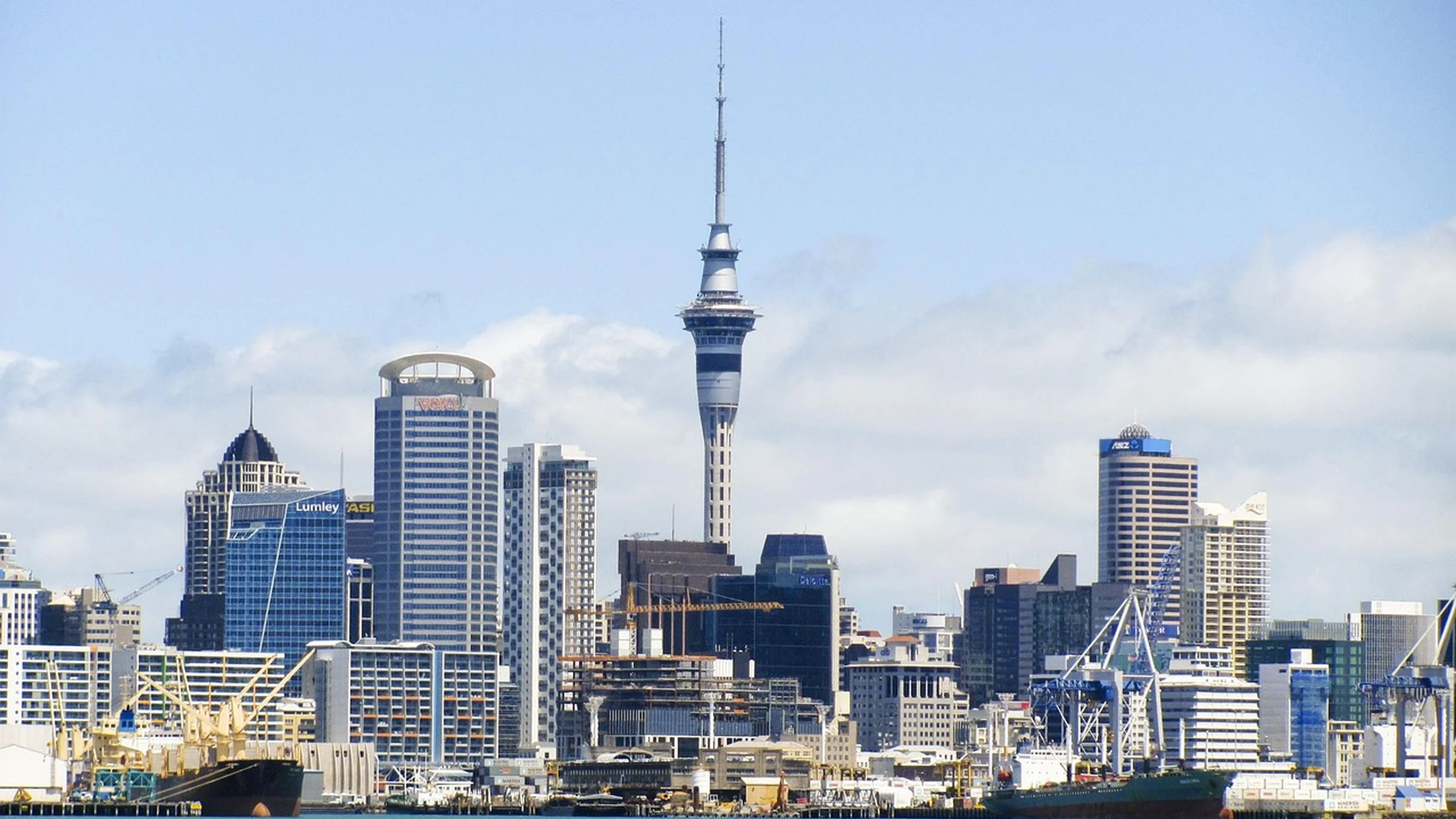
Watercare says its Auckland sewer sensors are helping crews avert more than one overflow a day on average. A blockage cleared in Ellerslie shows how a rise in wastewater levels can prompt a repair before heavy rain arrives.
On a Thursday in August, Auckland sewer sensors detected wastewater backing up in an Ellerslie manhole. Heavy rain was forecast for the weekend. A Watercare crew followed the signal into the local network and found a safety grille that had fallen into another manhole. Rags and debris had snagged on it, cutting the space available for wastewater to pass. The crew removed the grille and flushed the pipes ahead of the storm.
An Alert Gives the Crew a Head Start
The Ellerslie alarm came from a change in water level. A sewer can keep carrying some flow even as an obstruction builds, so a persistent rise upstream gives operators a chance to act while the pipe is still passing wastewater. The reading alone gives little indication of what is in the pipe. An inspection turns the alert into a decision about where to clear the obstruction and whether the pipe or fittings need further work.
Watercare combines radar level sensors with software that looks for patterns across readings. The utility says it installed nearly 5,000 sensors in a year through its NZ$12 million Smart Sewer Programme, including in places prone to repeated blockages or water getting into the sewer.
The Shape of the Rise Points to Different Work
Watercare looks at how long levels stay high as well as how quickly they rise. A sharp spike that subsides within hours can suggest that stormwater is entering through a private drain connected to the sewer. A slower rise that persists after rain can point toward groundwater seeping through damaged pipes. Between them, those patterns help crews choose where to trace a connection or inspect pipe condition.
The utility reports averting more than one overflow a day on average by finding and clearing blockages earlier. That estimate reflects Watercare’s experience of the rollout. For maintenance managers, the next question is whether the same sites keep generating alarms after a blockage is cleared. Repeated calls to one stretch of pipe can change the case for spending money there.
Take-Out
A rising sewer level can buy crews time to clear a blockage. The value of that warning depends on how quickly someone can locate the obstruction and get to it.
Questions and answers
What readers should know
- What do the sensors measure?
- They use radar to track wastewater levels. A rising level gives operators a reason to investigate the network near the sensor.
- What caused the Ellerslie blockage?
- A fallen safety grille caught rags and other debris in a manhole. A crew lifted it out and flushed the local network.
- Why did the weather forecast matter?
- The approaching rain made early action more urgent. Extra water entering the sewer could have left less room above the blockage.
- How large was the rollout?
- Watercare says it installed nearly 5,000 sensors over a year as part of a NZ$12 million program.
- Can a sensor identify the exact cause?
- The level pattern can narrow down the possibilities. Inspection and other field checks establish the cause.
Stay in the loop
Keep Mark and Focus in view
Hear about future publications, announcements, and relevant updates from Mark and Focus.