
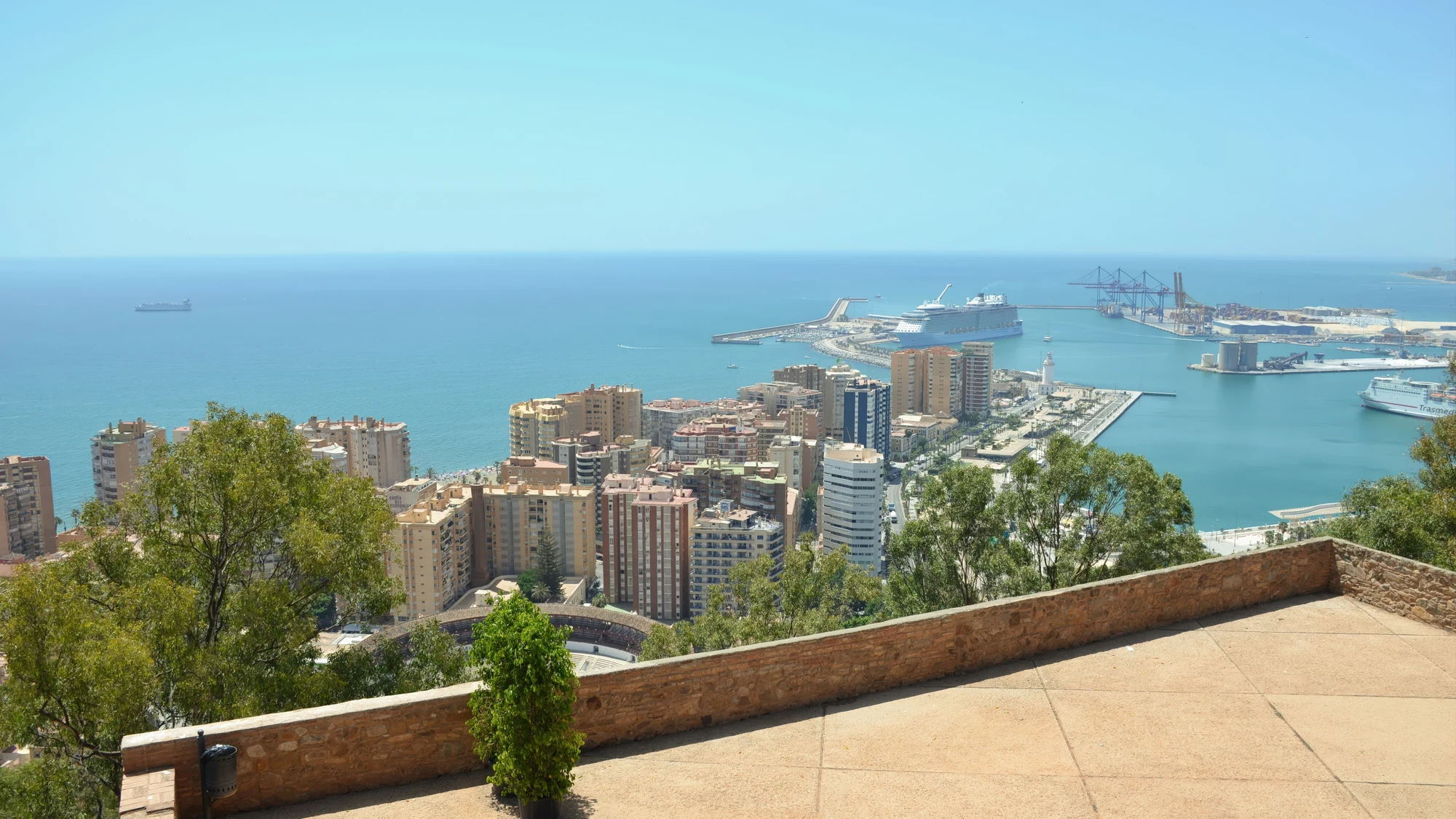
Smart water meters help utilities detect persistent flow and contact customers sooner. Málaga’s municipal water utility is using routine meter replacement to expand remote reading, with a two-year procurement framework tailored to different sizes, flow ranges and communications needs.
A leak can run for weeks between meter readings. By recording water use more often and sending those readings remotely, utilities can spot persistent flow sooner and give customers time to act.
What more frequent readings reveal
Two monthly readings show how much water passed through a meter. They leave the utility guessing when that water was used. A series of readings across the day shows whether consumption rises in short bursts or continues through hours when a property would normally be quiet. An overnight flow that persists across several readings can give a utility reason to contact the customer before the next bill.
The same pattern can have different causes. An apartment building, a laundromat, and a single-family home follow different schedules. A utility that applies one alert rule across all three can burden customers with false alarms or miss small leaks. Grouping accounts by typical use and allowing for known overnight activity helps staff decide which alerts merit follow-up.
Matching meters and communications to the network
A meter needs to capture the flow rates it will actually see. In an apartment building or commercial property, the unit must handle busy periods while still registering the small flows that can reveal a leak. Where staff read meters remotely, they also need to know whether a gap in the data means a communications failure. Checking the time of the last successful reading keeps a disconnected meter from being mistaken for a quiet property.
Customer meters cover the water delivered through individual connections. Utilities can look for losses in the mains by comparing the volume entering a district with the volume registered at customer meters over the same period. They then need to account for authorized unmetered uses and differences in what the meters can measure before sending crews to look for leaks.
Case Study: Málaga expands remote water metering through routine replacement
Empresa Municipal de Aguas (Emasa) manages approximately 245,000 installed water meters in Málaga. On November 13, 2026, its board approved procurement documents for a two-year supply framework budgeted at about €8 million including VAT. Emasa expects to need about 30,000 units a year for new connections, failed meters, meters at the end of their service life, and replacements prompted by its own quality and accuracy checks.
The framework includes narrowband Internet of Things connectivity for remote readings and divides procurement into 12 lots. The lots distinguish meter sizes, flow ranges, measurement technology and communications, among other features. That structure lets Emasa match equipment to different connections while using the same renewal program to expand remote monitoring. The approval sets out what Emasa plans to procure. Water savings will depend on the response to the faults and unusual consumption that staff can identify once the equipment is in service.
Take-Out
More frequent meter readings save water when they lead to faster investigation and repair.
Questions and answers
What readers should know
- Does continuous flow prove there is a leak?
- Continuous flow gives the utility a reason to investigate. Normal overnight use can produce a similar pattern.
- Can customer meters detect leaks in city mains?
- They help utilities estimate losses when their readings are compared with water entering a district over the same period.
- Has Málaga installed all the meters in the new framework?
- Emasa’s board approved the procurement documents in November 2026. The expected annual supply is about 30,000 units.
Stay in the loop
Keep Mark and Focus in view
Hear about future publications, announcements, and relevant updates from Mark and Focus.