
Mark and Focus analysis
Sites Reservoir Funding Still Has to Become Delivery
California committed US$268.9 million to Sites Reservoir, bringing reported state investment to US$1.36 billion. The planned asset would hold up to 1.5 million acre-feet and deliver up to 200,000 acre-feet during emergency-declared droughts. Funding is a milestone; operating capability remains the delivery test.
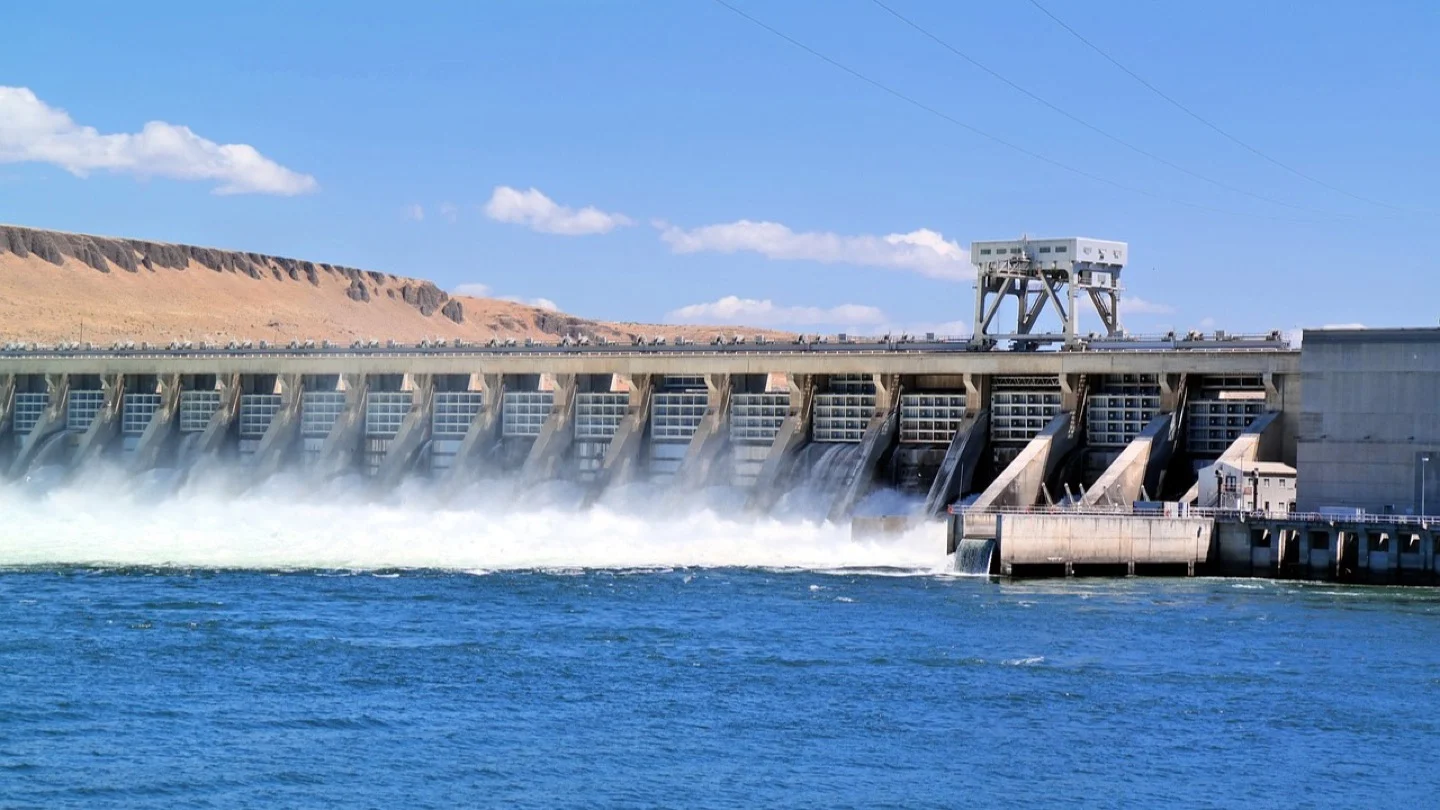
California committed US$268.9 million to Sites Reservoir, bringing reported state investment to US$1.36 billion. The planned asset would hold up to 1.5 million acre-feet and deliver up to 200,000 acre-feet during emergency-declared droughts. Funding is a milestone; operating capability remains the delivery test.
Where public finance meets water-storage delivery, California’s latest Sites Reservoir allocation creates a measurable obligation. The California Water Commission now sits inside a total state investment reported at US$1.36 billion. Those commitments establish scale and intent. The infrastructure-finance question is narrower: what capability the capital is meant to buy and which delivery obligations still separate an allocation from an operating reservoir. The allocation can be governed as progress only if financial records remain connected to the distinct physical and operating capabilities stated for the project. That connection should remain visible at every governed milestone, from expenditure through construction status to demonstrated operational readiness for service. The obligation remains physical.
What It Is
The additional US$268.9 million expands an already substantial state position. California reports total investment of US$1.36 billion for Sites Reservoir. These figures should be read as two layers of one financing pathway: the new increment and the cumulative state commitment, not as interchangeable descriptions of the same transaction. Tracking the increment separately allows oversight to ask what the new decision advances without losing sight of the larger capital position already reported by the state.
Capital is being committed against a planned storage capability of up to 1.5 million acre-feet. That capacity gives the investment a physical reference point, but it remains planned. Financial significance therefore depends on whether the committed funds advance the work required to convert stated capacity into an asset that can capture, store, and release water as intended. That connection should be explicit in delivery evidence, because capacity stated in acre-feet does not identify how much of the planned asset has actually been completed.
The state’s stated annual-equivalent scale is enough to supply 4.5 million homes for a year. This comparison communicates magnitude; it is not a promise of an annual household allocation. The governing finance test is whether the project reaches the operational capability represented by that scale while retaining its drought-specific delivery function. The homes comparison is therefore useful for scale communication, while acre-feet and emergency delivery remain the measures tied most directly to infrastructure performance.
How It Works
Sites Reservoir is designed around two linked values: broad storage capacity and a defined emergency function. Its planned capacity is up to 1.5 million acre-feet, while the project is designed to deliver up to 200,000 acre-feet during emergency-declared droughts. The first figure describes asset scale; the second describes a bounded operating purpose. Public-capital governance should show how the large storage envelope supports the smaller emergency function without implying that every stored unit is assigned to that use. That distinction matters for capital accountability. A reservoir can be large without proving that emergency water will be available when the declared condition occurs. The investment model must therefore connect construction progress to operating arrangements capable of delivering the drought volume, rather than treating nominal capacity as the complete return on public capital. The required evidence sequence moves from approved capital to completed works, then to operating readiness and verified delivery under the specified emergency condition. The California Water Commission’s additional allocation creates a clear financing milestone, not a construction-completion claim. Delivery reporting should retain that status. The US$268.9 million increase can be verified as a funding decision, while physical progress and operating readiness require separate evidence that is not supplied by the allocation itself. A clean status record also prevents the new allocation from being counted twice: once as additional funding and again as though it were finished reservoir capacity.
Governance should track the relationship among total capital, planned capacity, and emergency output. US$1.36 billion describes the state’s cumulative investment; up to 1.5 million acre-feet describes planned storage; and up to 200,000 acre-feet describes the emergency-declared drought function. Keeping those measures distinct prevents a large financing headline from obscuring the specific capability to be delivered. Each measure answers a different accountability question—what the state has committed, what the asset is planned to hold, and what it is designed to provide in drought. Recent Mark and Focus coverage of California examined proven long-duration storage in the energy system. This development changes the subject and the delivery status: Sites Reservoir concerns planned water storage backed by an additional allocation. The relevant continuity is the need to connect storage scale to demonstrated system performance without transferring evidence from one infrastructure system to another. This is the material difference from the recent energy-storage coverage: the Commission’s allocation record describes a funded water project whose operating result lies ahead.
Why It Matters
Public capital matters only when the funded work becomes usable storage with a defined drought function. The allocation establishes financial commitment, while construction and operating readiness remain separate delivery obligations.
The test will be whether Sites Reservoir converts that commitment into water-storage performance and can provide the emergency function attached to the project. Investment significance rests on delivered capability, not the size of the funding announcement alone.
Success also requires the funded asset to connect storage operations with the drought function described for it. The project creates public value only when that stated purpose becomes demonstrable service. That delivery test keeps the financial commitment tied to the operating purpose for which the project is being advanced in operation.
Take-Out
California should track Sites Reservoir funding, constructed capacity, and emergency-drought delivery as separate milestones within one public-capital obligation.