
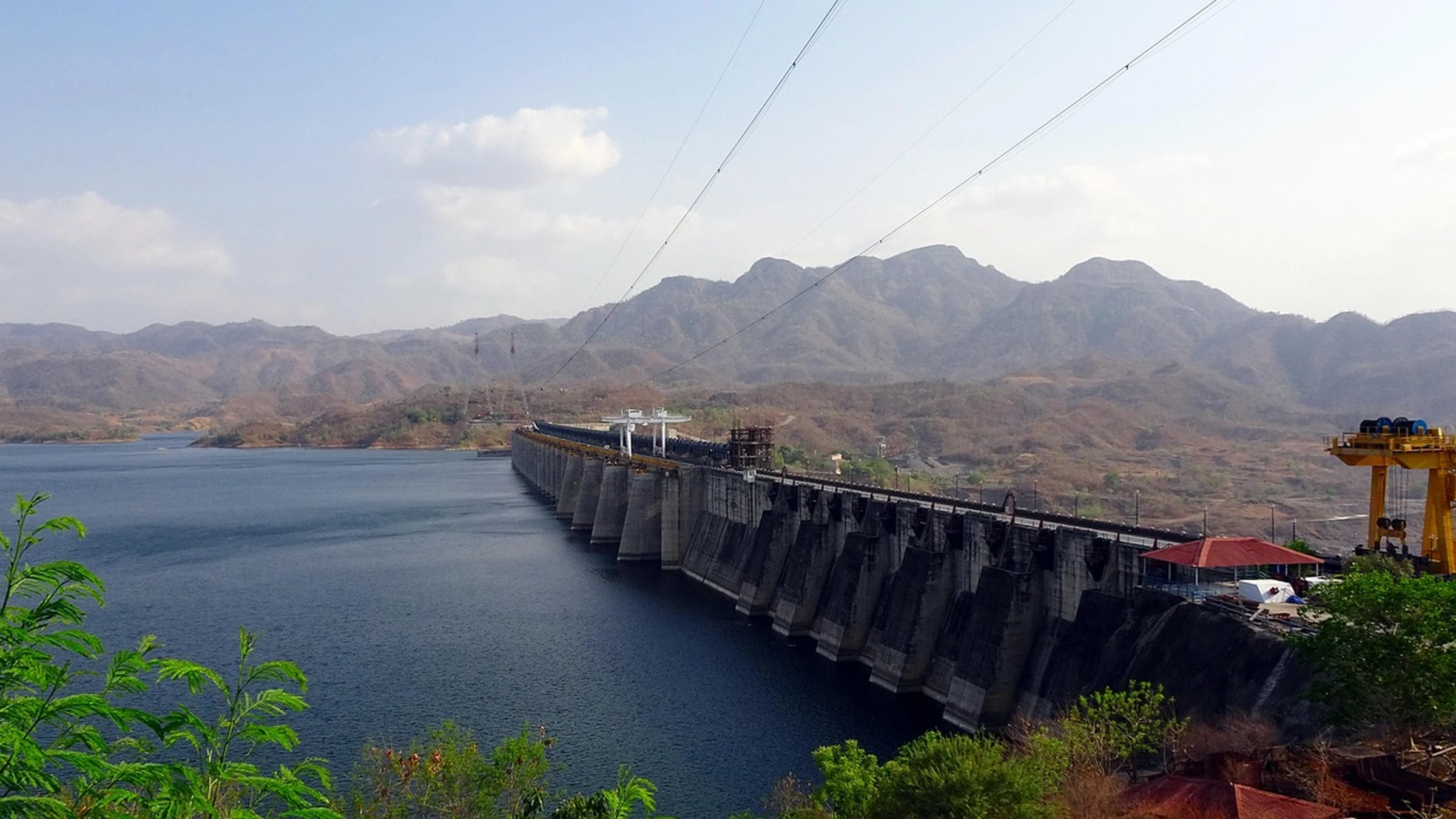
India’s Narmada review committee has accepted a one-time settlement covering historical liabilities among four states and approved a payment procedure for the 2026–27 fiscal year. The decision sets out how a long-running cost-sharing dispute can be closed.
The states that share the costs of a large water project can remain in dispute over their accounts long after the works are built. On October 27, the Review Committee of the Narmada Control Authority accepted a July agreement among Gujarat, Madhya Pradesh, Maharashtra and Rajasthan on past liabilities. It also approved a procedure to pay outstanding amounts associated with projects under the Narmada Water Disputes Tribunal award during fiscal year 2026–27. The Ministry of Jal Shakti disclosed the decision on October 29.
Agreeing Which Claims Can Be Closed
The ministry describes the July agreement as a one-time settlement of interstate arrears, claims and financial liabilities. It links the settlement to long-running differences over the sharing of Sardar Sarovar construction costs. The committee accepted the agreement alongside the Attorney General’s opinion. Reaching agreement at that level gives the states a common basis for settling claims that each may have recorded or contested differently.
For a shared asset, one government’s outstanding claim can be another government’s disputed liability. Leaving those entries unresolved makes it harder to see which sums are available for other commitments. A settlement can bring both sides onto a common set of accounts. Its practical effect depends on the states recording the settlement and carrying out the transfers.
Payment Is the Next Milestone
The announcement establishes a decision and a fiscal window. The public notice gives neither a state-by-state amount nor confirmation of completed transfers. A reader assessing the Sardar Sarovar arrears should therefore separate three events: the July agreement, the committee’s October acceptance and approval of the procedure, and the eventual reconciliation of balances.
The decision concerns past liabilities. It offers no basis for inferring a change to water allocations or reservoir operations. What the agreement can deliver is narrower and concrete. Once the transfers and reconciliations are recorded, the four governments will be able to identify which historical balances the settlement actually closed.
Take-Out
An interstate project needs a way to settle old financial claims after construction. The agreed procedure gives the four states a route to reconcile their accounts, with closure still to be demonstrated through payments.
Questions and answers
What readers should know
- Which states are involved?
- Gujarat, Madhya Pradesh, Maharashtra and Rajasthan.
- What did the committee accept?
- It accepted the Attorney General’s opinion and the agreement the four states signed on July 7, 2026.
- What was agreed in October?
- The committee approved a procedure to pay arrears related to projects under the tribunal award within fiscal year 2026–27.
- Are state-by-state amounts public in the notice?
- The ministry’s announcement does not give the allocation or a payment schedule by state.
- Does the decision change the distribution of water?
- The announcement concerns a financial settlement over historical costs and liabilities. It announces no change to allocations.
Stay in the loop
Keep Mark and Focus in view
Hear about future publications, announcements, and relevant updates from Mark and Focus.