
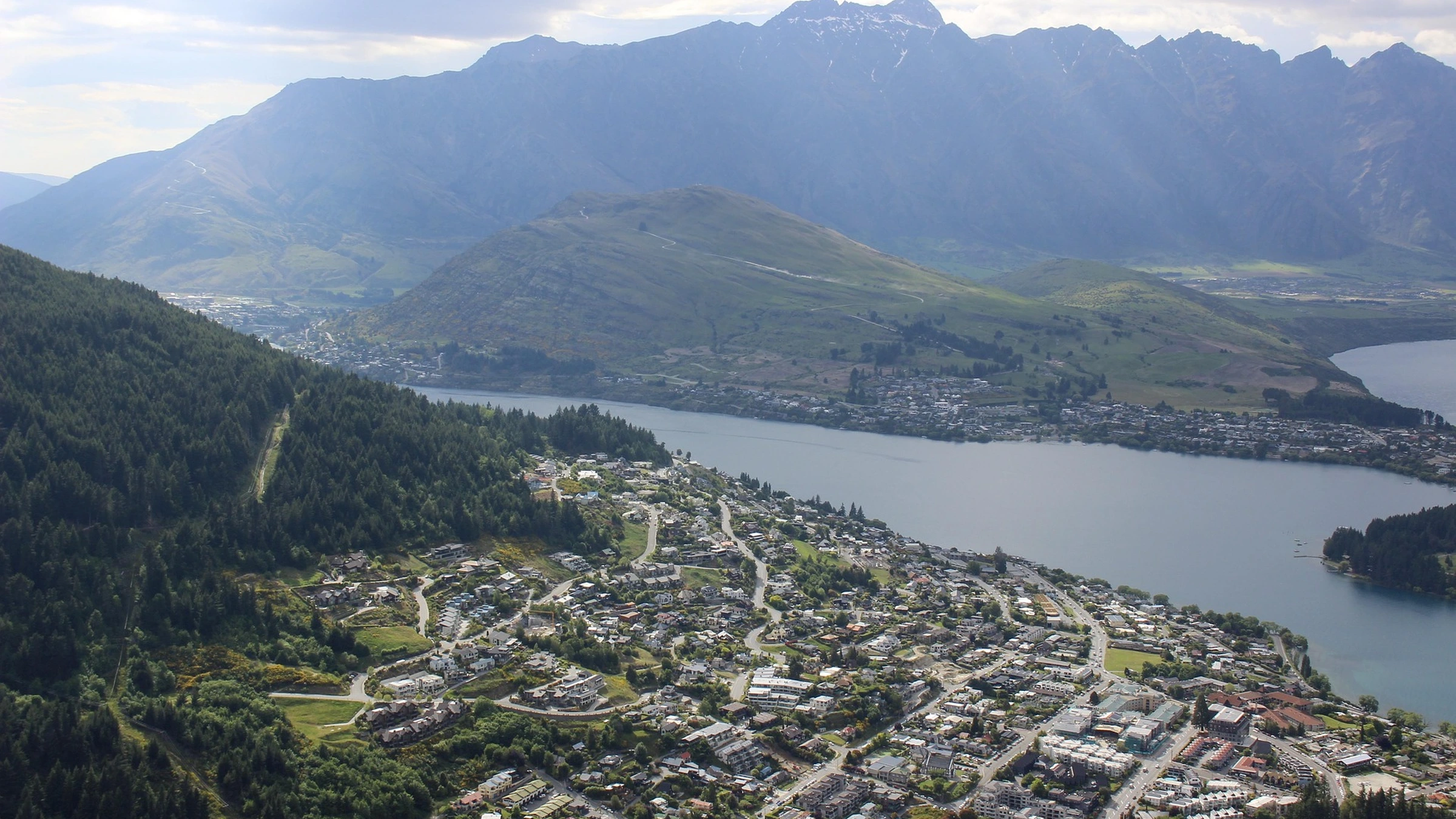
Otago Central Lakes councils and New Zealand’s government have signed a regional deal linking growth with housing, transport, energy and essential services. A six-month implementation-plan requirement now turns the long-term partnership toward agreed actions and delivery responsibilities.
Otago Central Lakes has moved from negotiating a regional deal to deciding how to deliver one. The agreement signed on October 6 establishes a ten-year Crown-council partnership guided by a thirty-year vision. Its immediate deadline is shorter: the parties must develop an implementation plan within six months, translating the commitments into agreed actions.
The signatories bring central government together with Queenstown Lakes District Council, Central Otago District Council and Otago Regional Council. Their subject is growth across a region whose housing, transport, electricity and public services face related pressures. The deal gives those institutions a common place to make decisions, while leaving the work of specifying individual actions ahead.
A Signed Partnership After a Funding Disagreement
The signing follows a pause announced by the councils in August. Their joint statement said they remained committed to the partnership but wanted to reopen discussion after proposed changes to the wording on exploring an accommodation levy. It described clarity over commitments as important to local confidence in the deal.
That earlier statement helps explain why agreement on a long-term vision was insufficient on its own. A region receiving large numbers of visitors also has to decide how growth-related infrastructure costs will be carried. The dispute concerned what the partnership committed the parties to explore, not merely whether they supported growth.
The October council release now places funding and financing mechanisms first among eight priority areas. That establishes their continuing importance without proving that a particular new levy has been adopted. The signed partnership should be assessed through its current commitments; the earlier dispute cannot be used to infer a funding instrument that the final public release does not establish.
Housing and Transport Need Different Decisions
The government says the housing work will build on the existing Queenstown Joint Housing Action Plan, including investigation of affordability measures and better use of development tools. This describes a route for enabling homes, rather than an announcement that a defined number of new dwellings has been completed or fully financed.
Transport work will progress recommended initiatives from NZTA’s Whakatipu Strategic Network Plan. It includes examining public and private funding for the infrastructure the region needs. A named planning reference makes the transport commitment more specific, but an initiative’s presence in a strategic plan remains separate from a funded construction program.
These distinctions give the implementation plan a demanding job. A housing-enabling action and a transport investment may support the same growth area while requiring different approvals, budgets and delivery bodies. Treating them as one broad growth promise would conceal the decisions needed to make each useful to residents.
Energy and Health Have Their Own Constraints
On electricity, the deal includes support for additional transmission capacity expected to be needed within the next decade. It also creates an opportunity to explore an energy regulatory sandbox, building on the Queenstown Electrification Accelerator. The first commitment concerns future network capacity; the second concerns a possible way to test innovation within regulatory arrangements.
Those activities are related without being interchangeable. A sandbox would not by itself supply additional transmission capacity. Equally, a capacity commitment does not establish that a trial arrangement has already been authorized. Keeping the two visible allows the partnership to judge progress by the actual decision each requires.
Health-service work is described within existing budgets through support for the region’s clinical services plan. That budget qualification matters. The deal creates a longer-term framework for addressing needs, but its public announcement does not convert every identified service pressure into an additional funding allocation. Prioritization remains part of delivery.
Rural Infrastructure Extends the Growth Question
The partnership also includes work to identify infrastructure opportunities supporting rural water security, agricultural productivity and renewable energy. This carries the deal beyond urban housing and visitor movement. It recognizes productive landscapes and energy supply as part of the region’s development, while leaving the particular upgrades to be identified.
The council release groups the wider priorities around investment and talent, key sectors and partnership, alongside the principal public services. It also describes working with mana whenua and the private sector. Their inclusion gives the agreement a broader delivery constituency than its government signatories alone.
The Plan Must Make Responsibility Visible
The councils say the implementation plan will be put to the responsible ministers, mayors and regional council chair for approval. Six-monthly meetings will connect those leaders, with an oversight board, steering group and working committees established as required. This is a structure for turning shared intent into decisions and reviewing their progress.
The value of that structure will depend on what the plan makes visible: which initiative is ready, who must take its next decision and how the parties will recognize progress. That is the specific opportunity created by the six-month deadline. It gives a long regional partnership an early test of whether its commitments can become an agreed program of work.
Take-Out
The next consequential document is the implementation plan. It must turn service-specific commitments into actions that the responsible ministers and councils can approve, monitor and fund over time.
Questions and answers
What readers should know
- Who signed the regional deal?
- The New Zealand government, Queenstown Lakes District Council, Central Otago District Council and Otago Regional Council.
- What is due within six months?
- An implementation plan translating the deal’s commitments into agreed actions for approval by the responsible political leaders.
- Does the deal approve an accommodation levy?
- The public October releases do not establish that. An August council statement records disagreement over an earlier commitment to explore levy policy.
- What does the electricity work include?
- Support for additional transmission capacity expected within the next decade and an opportunity to explore an energy regulatory sandbox.
- Does signing establish completed infrastructure?
- No. It establishes the partnership and commitments; individual funding decisions, approvals and delivery still require their own evidence.
Stay in the loop
Keep Mark and Focus in view
Hear about future publications, announcements, and relevant updates from Mark and Focus.