
Japan has opened consultation on rules for a streamlined environmental-assessment document for replacement infrastructure. The proposal relies on evidence from existing operations when a new facility remains sufficiently similar in type, location and scale.
Japan has reached the rule-writing stage of a difficult infrastructure question: when should replacing an existing facility be assessed as a new project, and when can regulators rely on what is already known about the site?
On 25 August 2026, the Ministry of the Environment opened public consultation on amendments to the enforcement order and basic guidance under the Environmental Impact Assessment Act. Comments remain open until 23 September. The rules implement a law adopted in June 2025 that created a tailored route for replacement projects.
The route applies where an existing structure is removed or retired and a structure of the same type is built in the same or a nearby area. Instead of repeating every early-stage study used for an undeveloped site, the developer would prepare a replacement-project consideration document. It would explain the environmental measures for the new facility using evidence from the existing operation.
This is a reasonable proposition with a demanding condition. Historical evidence is valuable only when the replacement is genuinely comparable and the record captures the impacts that matter.
Existing evidence can shorten the wrong work
Japan’s impact-assessment law was designed to improve projects before construction. For a new site, early assessment considers location alternatives, the surrounding environment and likely effects. A replacement project begins with different information. The site has operated. There may be air-quality data, bird surveys, noise complaints, water monitoring, thermal-discharge records, habitat observations or agreements with local authorities.
Repeating a generic description of the area can add less value than examining that operating record. The revised process recognizes this. It replaces parts of the conventional early consideration document with a direct account of how the replacement will address the impacts observed from the existing facility.
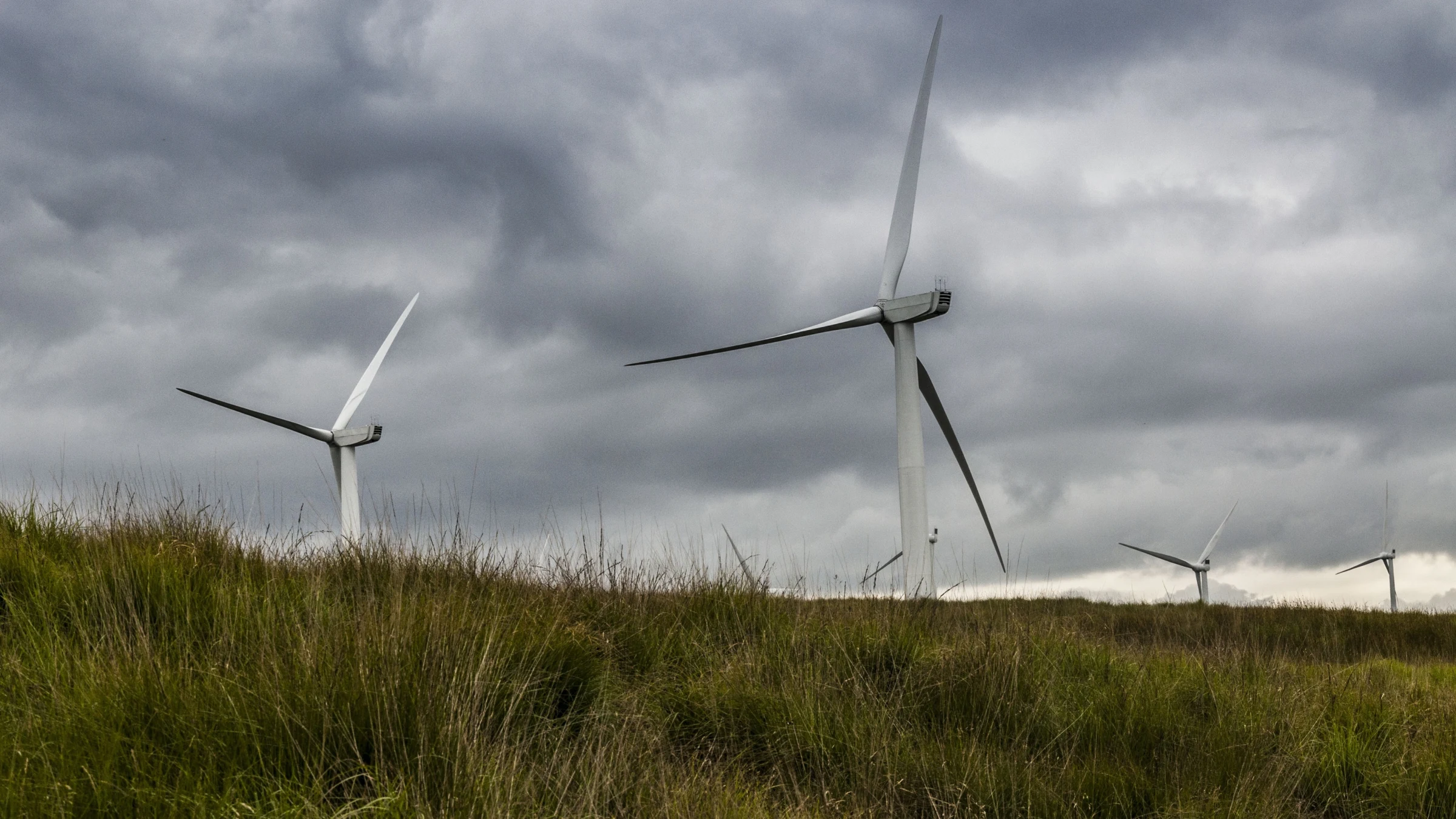
For thermal power, that might include long-term air or water monitoring. For wind power, it may include bird collisions, noise and turbine-operation data. For geothermal projects, it may include hot-spring and subsurface monitoring. The evidence is site-specific and tied to an operating technology.
Similarity must be a regulatory finding
The streamlined route depends on limits around type, distance and scale. A replacement that changes fuel, output, turbine dimensions, site footprint, cooling arrangements, transmission connections or access roads may create effects that the old evidence does not capture.
The same concern applies to environmental change around the site. New homes, protected habitats, migration patterns, climate conditions or other nearby projects can alter the baseline. Historical monitoring may be accurate and still be insufficient for the new decision.
Regulators therefore need more than a developer’s assertion that the project is a rebuild. They need a documented similarity test: which features remain comparable, which have changed, how far the new works move, how scale differs and why the historical record remains relevant. Where the test fails, the ordinary assessment route should remain available.
Monitoring quality becomes a planning asset
The reform changes the value of post-construction monitoring. Under a conventional project cycle, monitoring is often treated as evidence of compliance after permission has been granted. Under a repowering route, the same record becomes an input to the next capital decision.
That creates an incentive to preserve data over the full operating life of an asset. Records need stable locations, clear methods, geographic references and enough context to explain changes in equipment or sampling. Complaints and incidents matter alongside routine measurements because they show effects that a scheduled program may miss.
Japan’s 2025 law also provides for continued online publication of environmental-assessment documents after the developer’s usual viewing period. That can make evidence available to later projects and allow cumulative effects from neighboring developments to be considered. A durable public record is particularly important where the streamlined route relies on knowledge acquired over decades.
Consultation should focus on the boundary
The current consultation is not reopening the principle approved by parliament. It is defining how the replacement route will operate. The most useful comments will test the boundary: how close is nearby, how much scale change is acceptable, what minimum monitoring record is needed and what changes require a fuller assessment.
Speed is not the only benefit available. A tailored document can be more environmentally useful than a repeated generic study if it directs attention to observed impacts and unresolved local concerns. But that advantage disappears when missing data are mistaken for absence of harm or when a materially different project inherits the old facility’s procedural status.
Japan is treating repowering as neither automatically new nor automatically the same. That is the right starting point. The final rules should make similarity a conclusion supported by evidence, not a label granted by project history.
Take-Out
Repowering deserves a shorter assessment route only when the replacement remains genuinely comparable and the old facility’s monitoring record is complete enough to expose, not conceal, environmental risk.
Questions and answers
What readers should know
- What opened on 25 August?
- Public consultation on the enforcement order and basic guidance needed to implement Japan’s replacement-project impact-assessment route.
- What is a replacement project under the amended law?
- Removal or retirement of an existing structure followed by construction of the same type of structure in the same or a nearby area.
- What changes in the assessment document?
- Some early site and alternative-study material can be replaced by a focused account of environmental measures informed by the existing facility’s impacts.
- Why can historical monitoring be valuable?
- It shows how the site and technology behaved in operation, including effects that pre-construction forecasts could not demonstrate.
- What is the main safeguard?
- A transparent similarity test that sends materially changed projects back to the ordinary assessment route.
Stay in the loop
Keep Mark and Focus in view
Hear about future publications, announcements, and relevant updates from Mark and Focus.