
Mark and Focus analysis
Italy Defines the Route Data Behind Hazardous-Waste Tracking
Read the analysis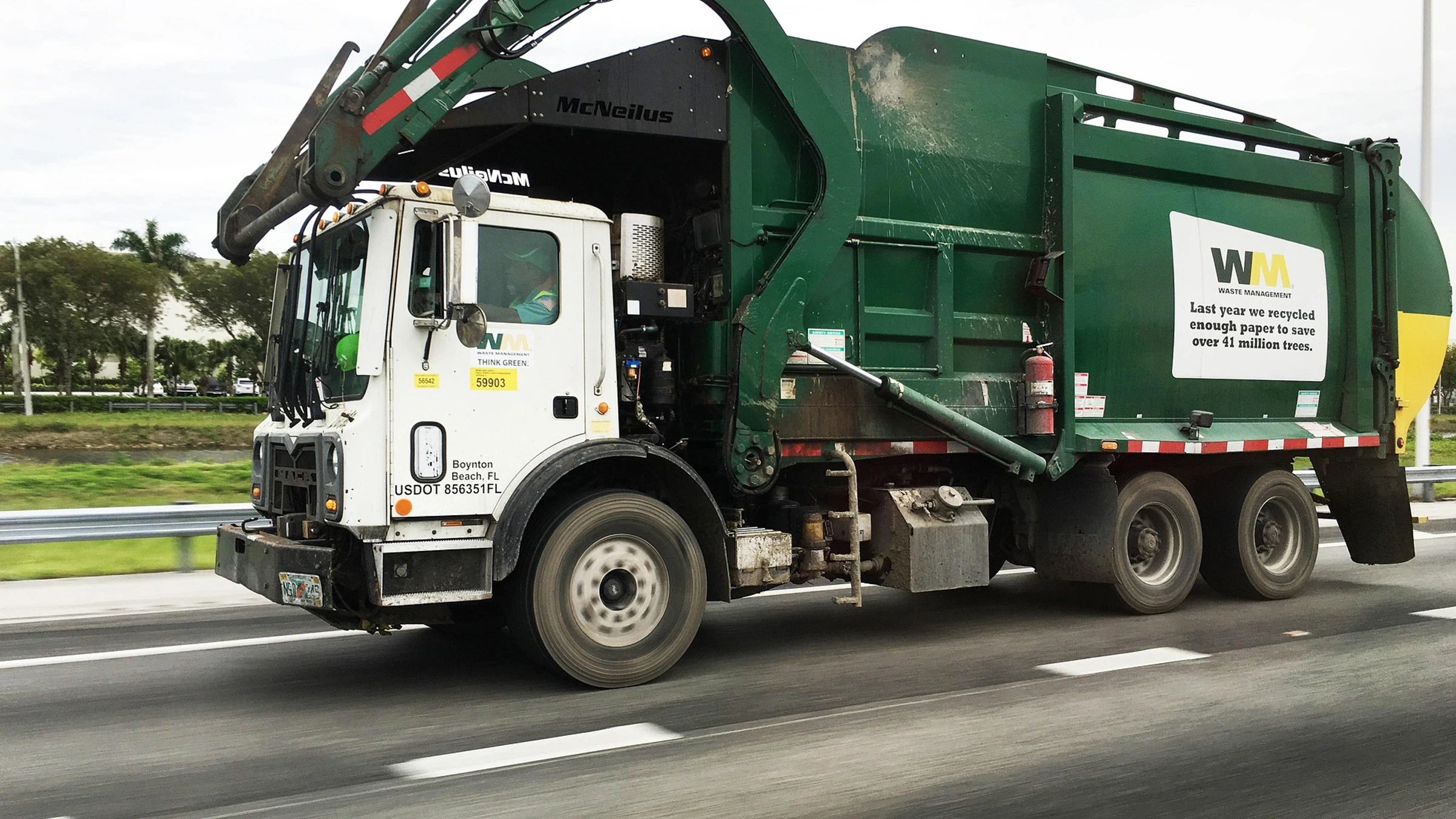
Italy’s new technical annex specifies how obligated operators must record and transmit hazardous-waste vehicle routes. It connects location traces with digital transport documents while moving the date for making route information available to September 13, 2027.
A waste transport document records a declared shipment. A sequence of location points can add evidence about where its vehicle traveled. Italy’s decree 275 of October 12 brings those records closer together by approving technical requirements for route data from operators obliged to use geolocation systems. The change is about making movement information consistent enough to connect with the digital waste record, rather than simply placing a tracker in a truck.
The Vehicle and the Shipment Must Match
The annex requires a unique association between the device and the vehicle for each route, using the vehicle’s registration plate. The new decree removes the earlier additional reference to the chassis. The registration identifier remains important because a technically accurate location trace has limited evidential value if it cannot be assigned to the vehicle making the shipment.
The route must cover the movement from the beginning of transport of special hazardous waste to its destination. Where one journey is linked with several waste identification forms, known as FIRs, the record follows the specified first and last movements or the handover to a subsequent carrier. This recognizes that a vehicle’s journey and an individual shipment document need not correspond one for one.
Accuracy Includes Time as Well as Position
The annex sets a maximum three-minute interval between consecutive points with different coordinates. It also allows no more than two minutes between an event recorded in the digital FIR and its associated position. Together, these requirements make the route and document events comparable. A location without a reliable time may be difficult to connect to a loading, arrival or transfer record.
Coordinates use the WGS84 reference system and six decimal places. The stated horizontal-accuracy requirement is no more than ten meters from the actual position, except where the satellite-navigation signal is unavailable. In those gaps a point is not transmitted, and the interval between consecutive points reveals the interruption. The rule therefore distinguishes a missing signal from an apparently continuous journey assembled without evidence.
Precision in the number format is also different from accuracy on the ground. Recording six decimal places preserves a consistent representation; the device still has to supply indicators or methods describing positioning quality. The annex calls for information about horizontal accuracy or the quality of the satellite fix, alongside a unique device identifier.
Transmission Follows the Transport Record
Route data are to be transmitted after the digital FIR data. The location trace must carry the unique identifiers of the relevant FIR transmissions, linking the movement record to the documents already supplied. A subsequent transmission of a form’s data requires the associated route data to be retransmitted where those have already been sent.
The specified interchange format is GPX version 1.1, using dedicated interfaces with signed submissions or the support services provided by RENTRI, Italy’s national electronic waste-traceability register. This makes the relationship between records part of the operator’s data process. Keeping a separate map inside a fleet-management product is not the same as supplying the required, document-linked trace.
The Later Start Date Still Requires Preparation
The decree moves the date for making route information available to September 13, 2027. The annex also requires operators to archive the relevant data and ensure that transmitted records remain available and extractable for a maximum period of three years, with export in a standard format for inspections.
For operators, preparation means checking vehicle identity, time synchronization, gaps in positioning and the relationship between route files and digital forms. Those are connected checks: an accurate route linked to the wrong form still fails to describe the intended shipment. Even a complete movement record establishes only one part of waste traceability. It does not, by itself, demonstrate that the receiving facility carried out lawful treatment.
Take-Out
A route trace can strengthen the account of a shipment’s movement only when its vehicle, timestamps and transport-document identifiers match. It adds evidence about the journey; it does not establish what treatment occurred after arrival.
Questions and answers
What readers should know
- What does the new annex cover?
- Technical requirements, route-data structure and format, transmission and archiving for obligated operators.
- What identifies the vehicle?
- The registration plate; decree 275 removes the previous additional chassis reference.
- What is the maximum interval between moving coordinates?
- Three minutes between consecutive points with different coordinates.
- When must route information become available?
- The revised date is September 13, 2027.
- Does a recorded route prove treatment?
- No. It adds evidence of vehicle movement and its connection to shipment documents, not proof of treatment after delivery.
Stay in the loop
Keep Mark and Focus in view
Hear about future publications, announcements, and relevant updates from Mark and Focus.