
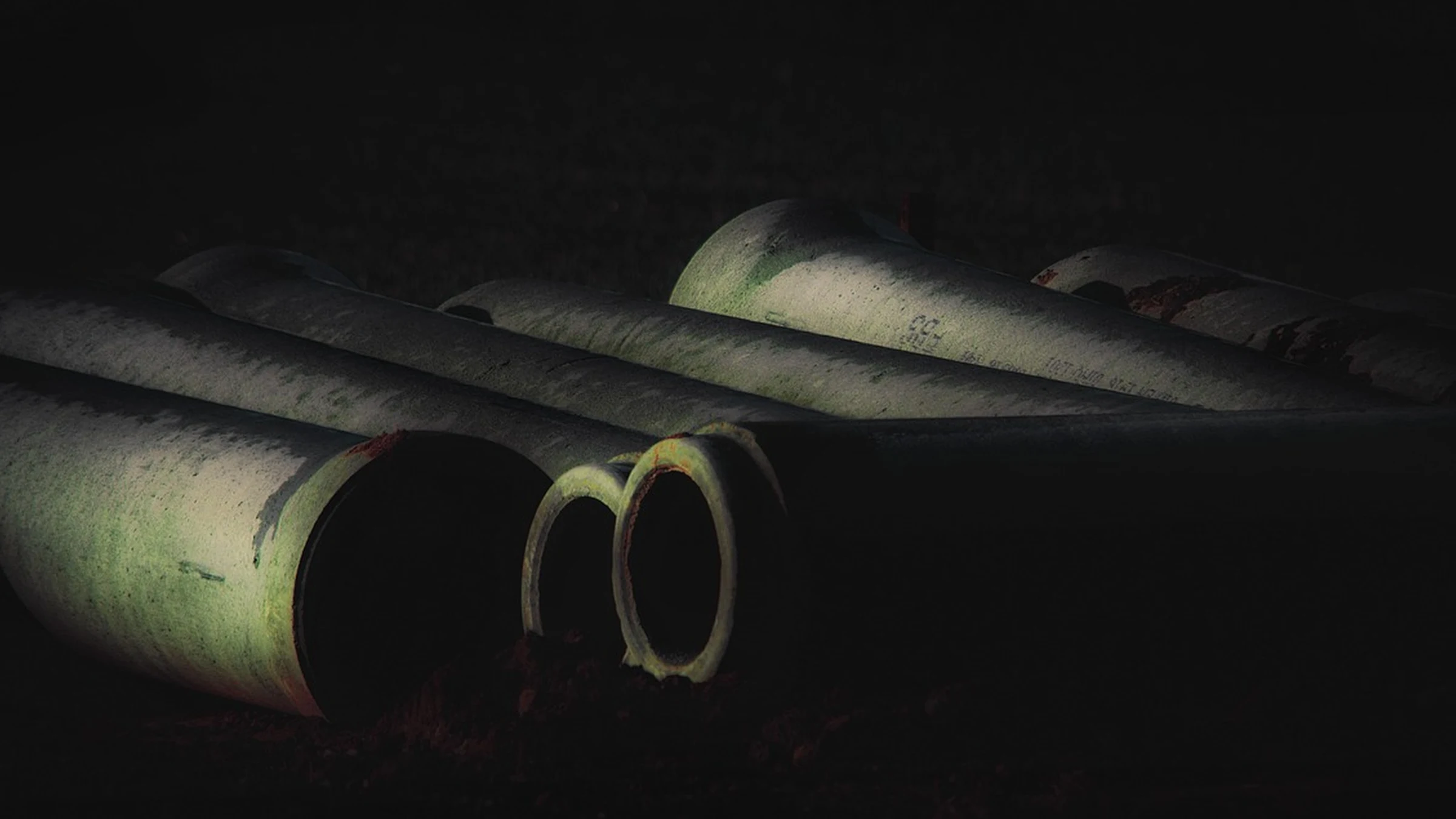
The EIB approved financing for CILE’s water-main and lead-connection replacement program on October 8. The public project sheet identifies a multiyear renewal purpose, while loan signature, expenditure and completed replacements remain separate milestones.
CILE’s water mains and lead house connections are the focus of a financing proposal approved by the European Investment Bank on October 8, 2026. The Belgian utility’s program covers replacements during 2026–2029. The public sheet lists approximately €60 million in proposed EIB finance against an estimated €130 million total cost.
These figures describe the financing proposal and program scale. The published milestone is approval; the sheet does not establish loan signature, disbursement or the amount of replacement work already completed.
Financing the Assets Beneath the Service
The program brings together renewal of distribution mains and replacement of lead connections serving properties. These are different parts of the route by which water reaches a customer. A main carries water through the network; a house connection links that network to the premises. Reading the investment as a single pipe-replacement total would lose that distinction.
The sheet does not quantify the number of connections or length of mains to be replaced. It therefore supports an analysis of the investment’s purpose and current financing stage, rather than a claim about the proportion of the network renewed or the exposure reduction already achieved.
Approval Leaves a Delivery Sequence
CILE is the project promoter, with responsibility for procuring the works under applicable European Union rules. The EIB sheet also identifies drinking-water and water-framework compliance as program aims and notes that individual schemes may require environmental screening.
For a multiyear renewal program, this places attention on the steps between financing and physical replacement: which works are contracted, which assets are reached and which replacements are completed. The approval cannot answer those questions for each scheme.
The decision is still material. It advances a financing route linked to a defined class of existing infrastructure, rather than an unspecified expansion ambition. Its eventual service value will be established at the asset level, where the funded program becomes a replaced main or connection.
Take-Out
Renewal finance is most informative when tied to the assets it will replace. CILE’s approval defines that purpose; progress should next be read through contracting and completed mains and connections, rather than the financing figure alone.
Questions and answers
What readers should know
- What changed in October?
- The EIB records approval on October 8, 2026.
- What does the program cover?
- Replacement of water mains and lead house connections during 2026–2029.
- What finance is listed?
- Approximately €60 million in proposed EIB finance against an estimated €130 million total cost.
- Does the sheet prove that the loan is signed?
- No. The visible milestone is approval.
- Who is responsible for procuring works?
- CILE is the promoter and must follow applicable EU procurement requirements.
Stay in the loop
Keep Mark and Focus in view
Hear about future publications, announcements, and relevant updates from Mark and Focus.