
The 21st century has been described as the Century of Cities: By 2050 nearly 66% of the world’s population will be urbanized. There are many positive effects of urbanization including increased economic and cultural activities, sharing of ideas and increased social cohesion. However, high population densities place strain on limited resources including water. In order to promote a higher quality of life [clickandtweet handle=”” hashtag=”” related=”” layout=”” position=””]cities will need to become smart and sustainable in their use of scarce water resources[/clickandtweet].
The concept of a smart and sustainable city is based on the use of big data and technology to minimize water, waste and resource consumption as well as promote a higher quality of life by engaging more actively residents. Smart cities use ICT to make traditional infrastructure more efficient, sustainable, livable and safe.
There are four steps to making a city smart:
- Capture data: Smart devices collect data in real time.
- Communicate: Data from smart devices and infrastructure is communicated to control centers for processing.
- Analyze: Smart cities then make sense of the data to form actionable insights.
- Act: The final decision is to use this analysis to make decisions or influence behavior.
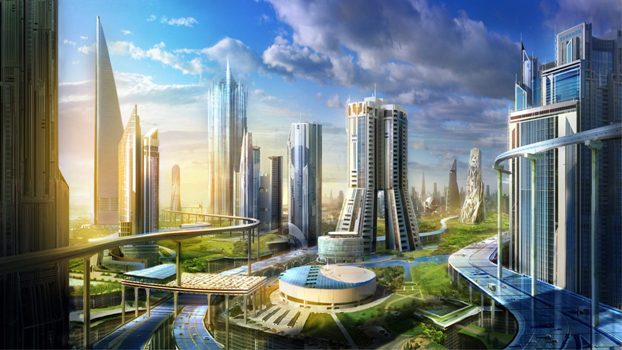
Smart and sustainable water-using cities
Many cities around the world face water challenges including declining water quality, shortages and aging infrastructure. Water sensors can be installed around cities to detect leakages and monitor water quality for example pH levels, conductivity and turbidity.
Data from the sensors can be sent to a central water management system from which actions for fixing leaks and pollution can be prioritized. A database can also be created to record problems with pipes, chemical spills and treatment plant issues etc.
Smart meters can also be installed in households allowing uses to see their water consumption in real-time and compare their water usage with others in the same neighborhood. Smart meters can also facilitate more frequent water billing as well as eliminate the need for manual meter readings.
The take-out
Cities can leverage big data and sensors to promote the sustainable and efficient use of scarce water resources.
*Robert C. Brears is the author of Urban Water Security (Wiley). Urban Water Security argues that, with climate change and rapid urbanization, cities need to transition from supply-side to demand-side management to achieve urban water security.
Facebook: UrbanH20


